
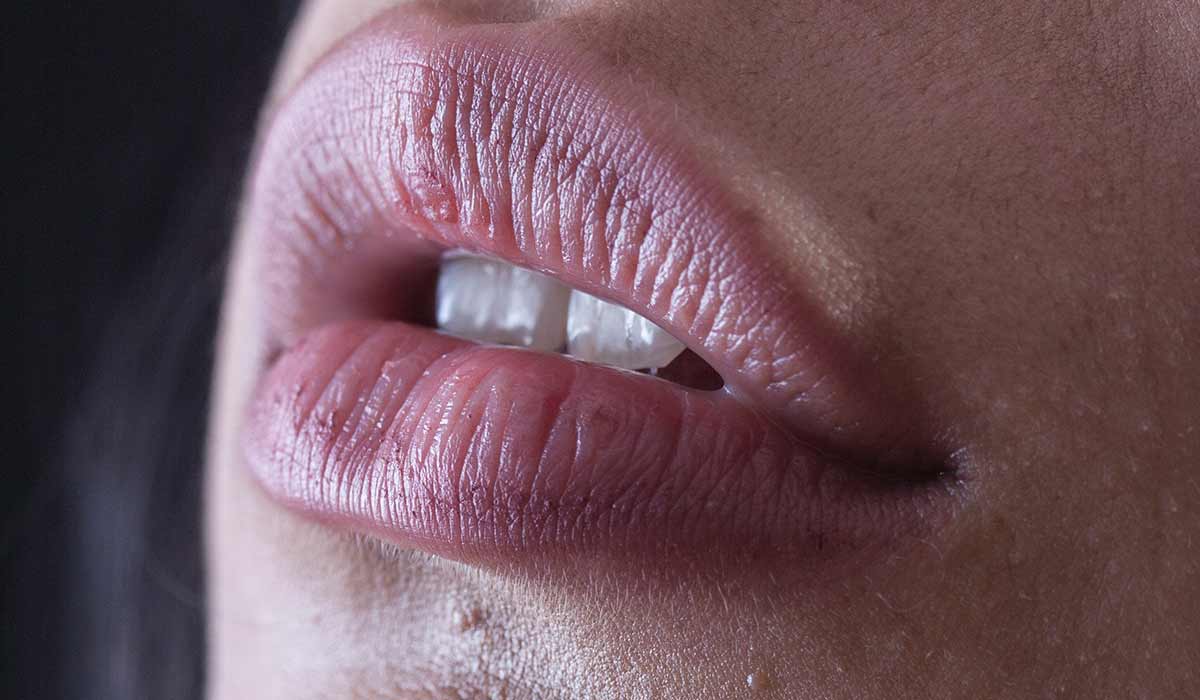
For most of the last decade, filler only ever went in one direction. More volume, more lift, more definition, bigger lips, sharper cheeks. The whole conversation was about adding.
Something has shifted. One of the most talked-about movements in aesthetics right now is people going to clinics to have their filler taken back out, and it is happening fast enough that practitioners have given it a name: the reversal trend.
It is worth understanding, because it says a lot about where beauty is heading.
So people are paying to undo it?
Yes, and not because anything has gone wrong. Plenty of these are people whose filler is perfectly fine, who have simply decided they want less of it. The look that felt right a few years ago does not feel right anymore, and rather than topping it up, they are choosing to reset.
Internationally, clinics report that elective dissolving - dissolving by choice rather than to fix a complication - has gone from a rare request to a significant part of what they do.
The same names keep coming up: people who feel their lips have become too heavy, whose midface looks overfilled, or whose face, after years of small top-ups, no longer quite feels like their own.
What's actually driving it
A few things are happening at once.
The beauty pendulum has swung. The overfilled, sculpted look that dominated Instagram has started to feel dated, and "looking like yourself" is back in fashion. Subtlety is the status symbol now.
There is also a growing awareness of something we have written about before: filler does not always stay where it is put. Over years and repeat treatments, it can drift, accumulate, and quietly change a face in ways nobody intended. If you want the detail on that, our piece on the signs your filler has migrated covers it.
And celebrities have made it normal. A steady stream of well-known faces have talked openly about dissolving everything and starting fresh, which has done for filler reversal what the influencers once did for filler itself.
How it actually works
The reset button is an enzyme called hyaluronidase. Injected into the area, it breaks down hyaluronic acid, the material in most modern fillers, and the body absorbs it. Results show within a day or two, and the area returns closer to its natural state.
It sounds wonderfully simple, which brings us to the part the breathless headlines tend to skip.
The catch nobody puts in the headline
Hyaluronidase gets called a "magic eraser," and that framing is doing a lot of work. The reality is more complicated, and worth knowing before anyone talks you into it as a casual fix.
For one, it only works on hyaluronic acid fillers. If your filler is one of the other types, such as the collagen-stimulating ones, hyaluronidase will not touch it, and it has to break down on its own over time.
For another, it is not as precise as "erase and start again" suggests. Dissolving can be unpredictable, it sometimes takes more than one session, and the enzyme can break down some of your own natural hyaluronic acid in the area alongside the filler. There is also a small risk of an allergic reaction. Tellingly, patient satisfaction with dissolving runs far lower than satisfaction with filler itself, largely because people expect an instant, perfect undo and the reality is messier.
None of this means dissolving is a bad idea. It is a genuinely useful tool, and for the right person it is exactly the reset they wanted. It just is not the no-consequences magic the nickname implies, which is precisely why who does it matters enormously.
The bit that actually matters
Here is the thread that runs through this whole trend. Dissolving filler well is arguably harder than adding it. It takes real anatomical knowledge to do it safely and predictably, and to manage the awkward in-between stage while everything settles. This is not a treatment for someone with a weekend certificate.
And in Ireland, that is not a given, because there is currently no law about who can inject dermal fillers, or the enzyme used to dissolve them. So whether you are adding filler or taking it away, the same quiet rule applies: the qualifications of the person holding the needle matter more than anything else in the room.
If the natural-look reset is calling to you, the smart first move is finding someone genuinely skilled. You can check register-verified clinics here, and if you are rethinking your whole approach and not sure where to start, our quick treatment quiz is a no-pressure way in.
The great filler reversal is really a story about taste growing up. After years of more, a lot of people have decided that the most modern look of all is simply looking like themselves.
All SafeSkin editorial content is reviewed by a registered medical professional before publication.