
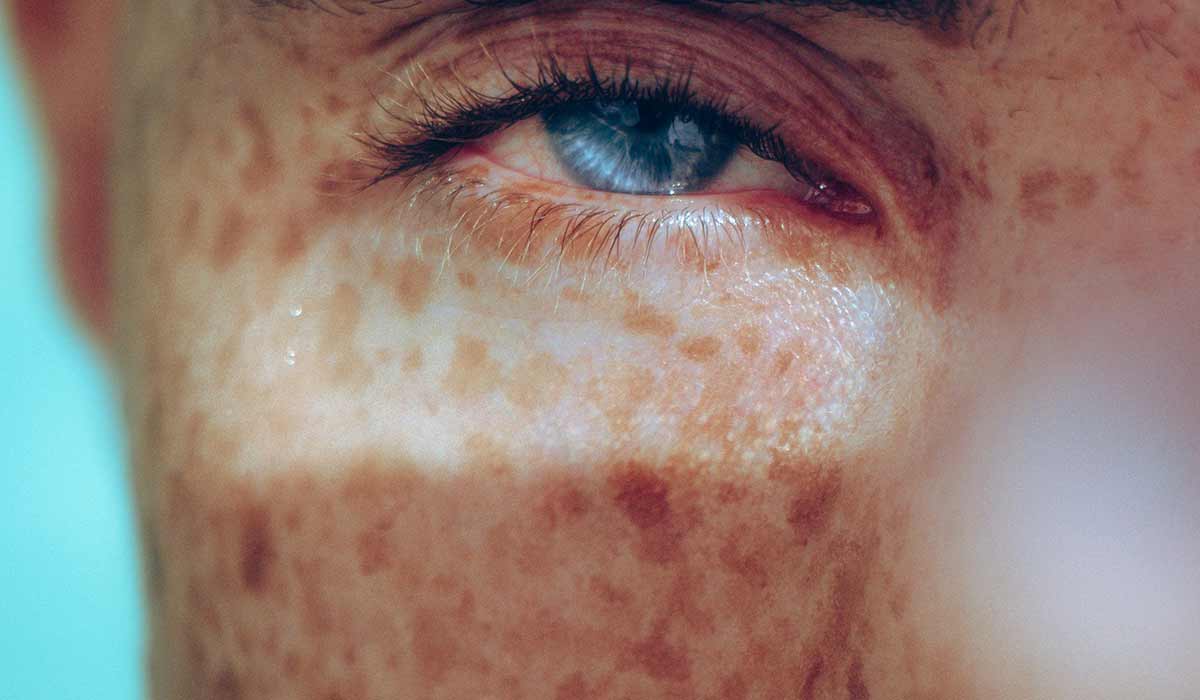
Melasma might be the most frustrating pigmentation condition there is. It appears as symmetrical patches of brown or grey-brown discolouration, most often across the cheeks, forehead, upper lip, and chin. It is stubborn, it comes back, and, uniquely among common skin concerns, the wrong treatment can actually make it worse.
That last point is why an honest guide matters. Plenty of people with melasma have spent serious money on treatments that deepened the very patches they were trying to fade.
This article explains what melasma is, why it behaves the way it does, what genuinely helps, and the mistakes worth avoiding.
What melasma actually is
Melasma is a condition where the pigment-producing cells in the skin become overactive in certain areas, laying down excess pigment in patches. It is not dangerous and it is not a sign of anything sinister, but it is persistent, because those overactive cells do not simply switch off once triggered.
It overwhelmingly affects women, and it has a strong hormonal component. Common triggers include pregnancy (it is sometimes called "the mask of pregnancy"), hormonal contraception, and hormone therapy. Genetics play a role too: if your mother had it, your odds are higher.
And then there is the sun. Ultraviolet light is the great activator of melasma, stimulating the pigment cells and darkening existing patches. Notably, melasma also responds to visible light and even heat, not just UV, which is one of several ways it differs from ordinary sun spots and why it needs a slightly different approach to the one in our general guide to pigmentation and sun damage.
Why it's so stubborn
Three things make melasma harder to treat than ordinary pigmentation.
First, the trigger often stays. If the underlying driver is hormonal, the stimulus for new pigment is still there even after a treatment fades the patches, so melasma has a strong tendency to return. Managing it is closer to managing a chronic condition than curing a blemish.
Second, the pigment can sit deep. In some melasma the excess pigment sits in the deeper layer of the skin, where creams and surface treatments struggle to reach it. Deeper pigment fades more slowly and less completely.
Third, and most importantly, the pigment cells are reactive. Anything that inflames or overheats the skin can provoke them into producing more pigment, not less. This is why aggressive treatments backfire, and it is the single most important thing to understand about melasma.
What actually helps
The honest headline is that melasma is managed, not cured, and the successful approach is patient, gentle, and layered. Here is what the evidence supports.
Rigorous sun protection, without exception
Everything else fails without this. Daily broad-spectrum, high-factor SPF is the foundation of melasma management, reapplied when needed, twelve months a year. Because melasma responds to visible light as well as UV, tinted sunscreens containing iron oxides offer meaningful extra protection that untinted ones do not, which is a genuinely useful and little-known tip.
The Irish cloud cover is no protection. UV comes through, and for melasma even bright visible light matters. If you take one thing from this article, it is that sun protection is not a supporting act in melasma care, it is the main event. Our guide to how your skin ages explains the broader sun-and-pigment story.
Prescription and evidence-backed topicals
The most effective creams for melasma are prescription treatments, typically built around hydroquinone, often combined with a retinoid and a mild steroid in what dermatologists consider the gold-standard topical combination. These require medical supervision, both because of how they are used in cycles and because misuse carries risks.
Over the counter, ingredients with reasonable evidence include azelaic acid, vitamin C, niacinamide, and kojic acid. They are gentler and slower than prescription options but worthwhile, particularly for maintenance.
Tranexamic acid
One of the more significant recent developments in melasma care is tranexamic acid, used topically or, under medical supervision, as a low-dose oral treatment for stubborn cases. The oral form has good evidence but is prescription-only and not suitable for everyone, so it is a conversation for a doctor rather than a purchase.
Gentle in-clinic treatments
Some clinic treatments help when used carefully: light chemical peels can lift superficial pigment gradually, and certain laser approaches, used conservatively and in the right hands, can help resistant cases. The emphasis in every case is on gentle and gradual. With melasma, the practitioner's restraint is as important as their equipment.
What can make it worse
This is the section that saves people money and heartache.
Aggressive IPL and laser treatments are the classic mistake. These treatments work well for ordinary sun spots, but in melasma the heat and inflammation they generate can provoke the reactive pigment cells, and patches can return darker than before. Melasma is routinely listed as a condition where IPL should be approached with great caution or avoided, yet it is still regularly sold to people whose "sun damage" is actually melasma.
Harsh scrubs, strong at-home acids, and anything that repeatedly irritates the skin can feed the same cycle. Heat itself, from very hot environments or aggressive heat-based treatments, can be a trigger for some people.
This is why the distinction between melasma and ordinary pigmentation matters so much before anyone treats you. They can look similar to an untrained eye, and the correct treatment for one is close to the worst treatment for the other. A practitioner who examines your skin properly, asks about hormonal history, and reaches for the gentle option first is showing you exactly the judgement melasma requires. One who books you straight in for a course of IPL without that conversation is not.
The realistic bottom line
Melasma is manageable, and plenty of people get it to a point where it barely registers in their daily life. But the path there is unglamorous: rigorous tinted SPF, evidence-backed topicals with medical guidance for the stronger options, patience measured in months, and a healthy suspicion of anyone promising to blast it away with a machine.
If you are dealing with stubborn facial pigmentation and are not sure whether it is melasma or sun damage, that question is worth answering before any treatment, and it is a question for someone qualified. You can search register-verified clinics near you to find a practitioner whose credentials you can check, and our treatment quiz can help you think through your concern before you book anything.
Medically reviewed by Dr Stephen Creedon. All SafeSkin editorial content is reviewed by a registered medical professional before publication.