
Skin Concern

Excessive Sweating Treatments in Ireland

A complete guide to excessive sweating (hyperhidrosis) in Ireland — causes, types, treatment options including anti-wrinkle injections, and costs.

Last updated: 29 March 2026

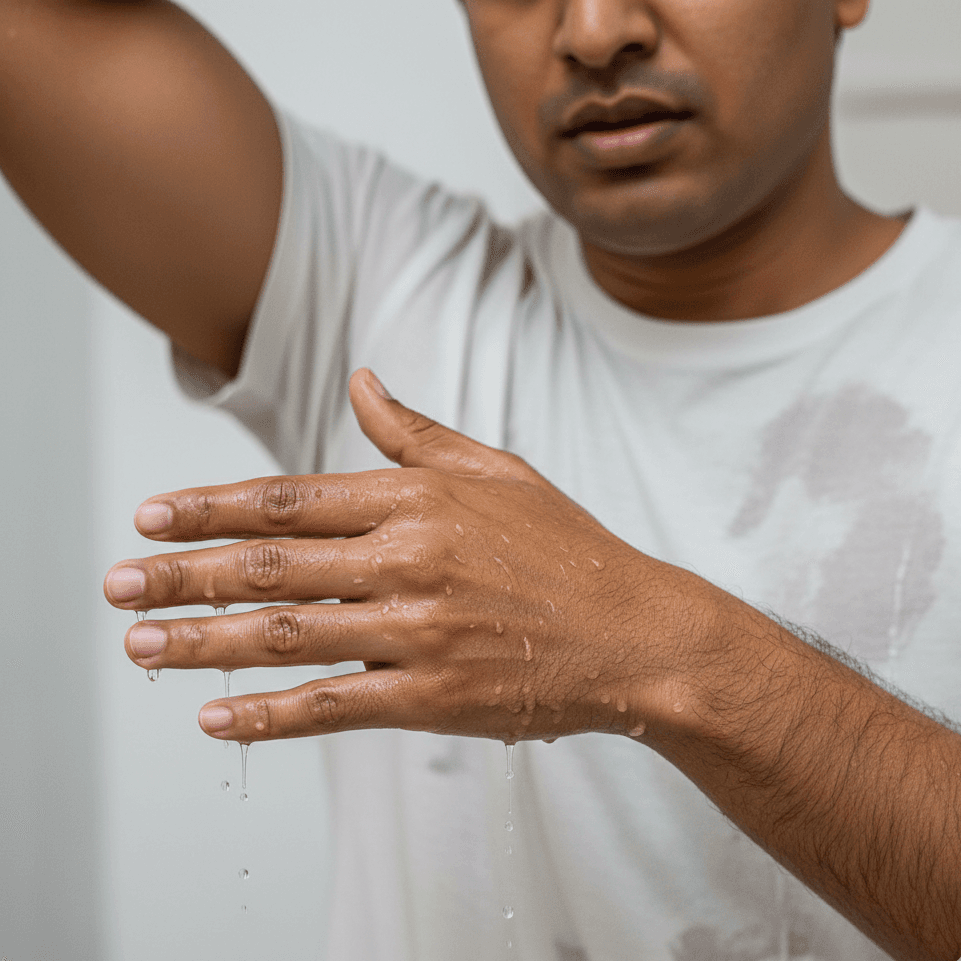
Visual representation of excessive sweating

Quick Facts

Common Causes

Primary hyperhidrosis (genetic), secondary causes (medical conditions, medication)

Most Affected

Often starts in teens/early adulthood, affects both genders equally

Severity Range

Mild social discomfort to severe, functionally debilitating sweating

Recommended First Step

GP assessment to rule out secondary causes, then aesthetic consultation

Available Treatments

Find a Clinic

Educational content only: This page summarises publicly available information for educational purposes and is not medical advice. SafeSkin does not recommend any specific practitioner, clinic, product, or treatment. Individual results vary. Always consult a registered healthcare professional before any treatment decision. See our full disclaimer.

Understanding Excessive Sweating

Excessive sweating, or hyperhidrosis, is a condition in which the body produces significantly more sweat than is necessary for temperature regulation. While sweating is a perfectly normal and essential bodily function — it is the body's primary mechanism for cooling itself — hyperhidrosis causes sweating that is disproportionate to the body's actual cooling needs. People with hyperhidrosis may sweat heavily when they are calm, at rest, in cool environments, and without any physical exertion.

Hyperhidrosis affects an estimated 2 to 5 percent of the population, making it far more common than many people realise. In Ireland, that translates to approximately 100,000 to 250,000 people living with the condition. Despite this prevalence, hyperhidrosis remains significantly underdiagnosed and undertreated — research suggests that fewer than 40 percent of people with the condition ever discuss it with a healthcare professional, often because they are unaware that effective treatments exist or feel embarrassed about raising the topic.

The impact of hyperhidrosis extends far beyond physical discomfort. The condition can profoundly affect a person's quality of life, emotional wellbeing, and daily functioning. People with hyperhidrosis frequently report avoiding social situations, limiting their clothing choices, struggling with handshakes and physical contact, and experiencing significant anxiety about visible sweating. Studies consistently show that the quality-of-life impact of hyperhidrosis is comparable to or greater than many other well-recognised dermatological conditions including psoriasis and severe acne.

The good news is that treatments for hyperhidrosis have advanced considerably, and highly effective options are available through aesthetic clinics across Ireland. Anti-wrinkle injections (botulinum toxin) are the most well-established and widely available aesthetic treatment for focal hyperhidrosis, offering 80 to 90 percent sweat reduction that lasts 4 to 9 months per treatment. For many people, this treatment is genuinely life-changing.

What Causes Excessive Sweating?

Understanding the cause of your hyperhidrosis is important for determining the most appropriate treatment approach.

Primary focal hyperhidrosis is the most common form of the condition and the type most frequently treated in aesthetic clinics. It is characterised by excessive sweating localised to specific body areas (most commonly the underarms, palms, soles of the feet, and face/scalp), is bilateral and relatively symmetrical, typically begins in childhood or adolescence, often runs in families (genetic component), is not caused by another medical condition or medication, and occurs at least once a week.

The exact mechanism of primary hyperhidrosis involves overactivity of the eccrine sweat glands in the affected areas. These glands are structurally normal — they are simply overstimulated by the sympathetic nervous system. The sweat glands themselves are not more numerous or larger than normal; they are simply responding to excessive nerve signalling.

There is a strong genetic component to primary hyperhidrosis. Studies suggest that 30 to 65 percent of people with the condition have a family member who is also affected. Research has identified several genetic loci associated with hyperhidrosis, though the exact pattern of inheritance is not fully understood.

Secondary hyperhidrosis is caused by an underlying medical condition or medication and has different characteristics. It typically begins in adulthood, may be generalised (affecting the whole body) rather than focal, can be asymmetrical, often occurs during sleep (primary hyperhidrosis typically does not), and resolves when the underlying cause is treated. Medical conditions associated with secondary hyperhidrosis include thyroid disorders (hyperthyroidism), diabetes mellitus and hypoglycaemia, menopause and perimenopause, infections, obesity, certain cancers (lymphoma in particular), anxiety disorders, and certain neurological conditions.

Medications that can cause or worsen sweating include certain antidepressants (SSRIs, tricyclics), opioid pain medications, hormonal therapies, some diabetes medications, and various others. If you suspect a medication is causing your excessive sweating, discuss this with your prescribing doctor — do not stop medication without medical advice.

Emotional and situational triggers can exacerbate both primary and secondary hyperhidrosis. Stress, anxiety, social situations, warm environments, spicy food, caffeine, and alcohol can all increase sweating episodes. In Ireland's social culture, where close interpersonal interaction, pub environments, and warm indoor heating are common, these triggers are particularly relevant.

Types and Severity Levels

Hyperhidrosis presents in distinct patterns depending on the affected body area and the degree of impact.

Axillary hyperhidrosis (underarm sweating) is the most commonly treated form and the type that most frequently brings people to aesthetic clinics. Visible sweat patches on clothing, the need to change shirts during the day, restricting clothing colour choices, and using excessive amounts of antiperspirant are hallmark experiences. This type responds extremely well to anti-wrinkle injection treatment.

Palmar hyperhidrosis (sweaty hands) often has the most significant functional and social impact. Difficulty gripping objects, ruined documents and electronic devices, reluctance to shake hands, and avoidance of hand-holding are common complaints. Treatment is effective but requires more injection points and can be more uncomfortable than underarm treatment.

Plantar hyperhidrosis (sweaty feet) causes discomfort, increased risk of fungal infections, slipping in shoes, foot odour, and social embarrassment. It frequently coexists with palmar hyperhidrosis. Treatment is available but can be particularly uncomfortable.

Craniofacial hyperhidrosis (face and scalp sweating) can be especially distressing because it is immediately visible. Visible beads of sweat on the forehead, dripping during meals or social situations, and constant wiping of the face are common experiences. Treatment with anti-wrinkle injections is possible but requires particular expertise due to the complexity of facial anatomy.

Generalised hyperhidrosis (whole-body sweating) is more commonly associated with secondary causes and should be assessed by a GP to investigate underlying medical conditions.

Severity is assessed using the Hyperhidrosis Disease Severity Scale (HDSS):

  • Grade 1 (Mild): Sweating is barely noticeable and never interferes with daily activities
  • Grade 2 (Moderate): Sweating is tolerable but sometimes interferes with daily activities
  • Grade 3 (Significant): Sweating is barely tolerable and frequently interferes with daily activities
  • Grade 4 (Severe): Sweating is intolerable and always interferes with daily activities

Most people seeking treatment present at grade 3 or 4, though treatment is appropriate and effective for grade 2 as well.

Treatment Options Available in Ireland

Several effective treatment options are available through Irish clinics and healthcare providers.

Anti-wrinkle injections (botulinum toxin) are the gold-standard aesthetic treatment for focal hyperhidrosis, particularly axillary (underarm) sweating. Anti-wrinkle injections work by blocking the release of acetylcholine, the neurotransmitter that activates sweat glands. When injected in small amounts into the affected area, the treatment temporarily reduces sweat production by 80 to 90 percent. The procedure takes 15 to 30 minutes, involves multiple small injections across the affected area, and produces results within 2 to 7 days that typically last 4 to 9 months. It is one of the most well-studied and effective treatments for hyperhidrosis, with high patient satisfaction rates.

Prescription-strength antiperspirants containing aluminium chloride hexahydrate (typically 20 percent concentration) are often the first-line treatment recommended by GPs. They work by physically plugging sweat ducts and are available on prescription in Ireland. While less effective than anti-wrinkle injections, they can provide useful improvement for mild to moderate cases. Side effects include skin irritation, stinging, and dryness.

Iontophoresis involves immersing the affected areas (typically hands or feet) in shallow trays of water while a mild electrical current is passed through. The mechanism is not fully understood but is thought to temporarily block sweat glands. Treatment requires multiple sessions initially (typically 3 to 4 per week for 2 to 4 weeks), followed by maintenance sessions. Home-use devices are available and can be cost-effective for long-term management. Your GP or dermatologist can advise on device selection and proper use.

Oral medications such as glycopyrrolate and oxybutynin (anticholinergic drugs) can reduce sweating systemically. They are prescribed by GPs or dermatologists for generalised hyperhidrosis or when focal treatments are insufficient. Side effects include dry mouth, constipation, blurred vision, and urinary retention, which limit tolerability for some patients.

Microwave thermolysis (miraDry) is a newer technology that uses microwave energy to permanently destroy sweat glands in the underarm area. It is available in select Irish clinics and offers a longer-lasting alternative to anti-wrinkle injections for axillary hyperhidrosis specifically. Results are typically permanent or near-permanent, though 2 sessions are usually required.

Surgical options such as endoscopic thoracic sympathectomy (ETS) are reserved for severe, treatment-resistant cases. This surgical procedure interrupts the nerve signals that stimulate sweating. While effective, it carries the significant risk of compensatory hyperhidrosis (increased sweating on other body areas), which can be as distressing as the original problem. Surgical options should be discussed with a specialist and considered only after conservative treatments have been thoroughly explored.

Treatment Comparison for Excessive Sweating

TreatmentTypeDowntimeCost RangeResults Last
Hyperhidrosis TreatmentInjectableNoneEUR 400-7004-9 monthsLearn more →

Choosing the Right Treatment

Selecting the optimal treatment depends on the type and severity of your hyperhidrosis, the affected body area, your budget, and your preferences.

For underarm hyperhidrosis, anti-wrinkle injections are the most popular and effective option, offering dramatic sweat reduction with minimal downtime. If you prefer a longer-lasting solution and the cost is manageable, microwave thermolysis may be worth considering. Prescription antiperspirants are a reasonable starting point for milder cases.

For palmar or plantar hyperhidrosis, anti-wrinkle injections are effective but the procedure can be uncomfortable. Iontophoresis is a good alternative, particularly for those willing to commit to regular at-home sessions. Some practitioners offer a combination approach.

For craniofacial hyperhidrosis, treatment requires a practitioner with specific experience in this area due to the anatomical complexity of the face and scalp. Anti-wrinkle injections can be very effective when placed precisely. Oral anticholinergics may be an alternative for those who prefer a systemic approach.

When choosing a practitioner, ensure they have specific experience treating hyperhidrosis, not just cosmetic use of anti-wrinkle injections. The injection technique, dosing, and distribution pattern for hyperhidrosis treatment differ from cosmetic applications. An iodine-starch test (Minor's test) should ideally be performed before treatment to precisely map the areas of heaviest sweating, allowing accurate and efficient product placement.

You can find a verified clinic near you through the SafeSkin directory. When booking your consultation, mention that you are enquiring about hyperhidrosis treatment specifically, so you can be seen by a practitioner with relevant experience.

Questions to ask during consultation: How many hyperhidrosis patients have you treated? Do you perform an iodine-starch test to map the sweating area? How much product do you typically use for this area? What results can I realistically expect? How long should I expect the effect to last? What is the total annual cost if I need repeat treatments?

Prevention and Self-Care

While hyperhidrosis cannot be prevented, several practical strategies can help manage symptoms alongside professional treatment.

Choose clothing strategically. Natural, breathable fabrics (cotton, linen, bamboo) allow better air circulation than synthetics. Layering with a close-fitting undershirt can help absorb sweat before it reaches outer layers. Dark colours and prints hide sweat marks better than solid light colours. Performance fabrics designed for moisture-wicking can be useful for exercise and warm environments. Carrying a spare shirt when needed reduces anxiety about visible sweating.

Use clinical-strength antiperspirants correctly. Apply at night before bed (when sweat glands are least active), to clean, completely dry skin. Allow to dry fully before dressing. The aluminium salts form a temporary plug in the sweat duct that reduces sweating over the following day. Reapply in the morning if needed.

Manage triggers where possible. Avoid or moderate caffeine and alcohol intake if they worsen your sweating. Use spices judiciously if they trigger facial sweating. In Ireland's temperate but variable climate, dress in layers that can be adjusted as you move between heated indoor environments and outdoor temperatures.

Address anxiety and stress. Hyperhidrosis and anxiety exist in a bidirectional relationship — sweating causes anxiety, and anxiety worsens sweating. Cognitive behavioural therapy (CBT), mindfulness techniques, regular exercise, and stress management strategies can help break this cycle. If anxiety is significantly affecting your quality of life, discuss this with your GP.

Practice good hygiene. Shower daily and after exercise. Use an antibacterial soap in areas prone to sweating to reduce the bacteria that cause body odour (sweat itself is odourless — odour develops when bacteria on the skin break down sweat components). Change clothing when it becomes damp. For foot sweating, rotate shoes daily to allow them to dry completely and consider moisture-absorbing insoles.

Carry supplies. A small kit containing absorbent tissues or pads, a travel-size antiperspirant, and hand wipes can provide practical support and reduce anxiety about sweating episodes throughout the day.

Be open about your condition. Hyperhidrosis is a recognised medical condition, not a hygiene issue. While it can feel embarrassing, many people find that acknowledging the condition to trusted friends, family, and colleagues — and explaining that it is a medical issue with effective treatment — reduces social anxiety and creates a more supportive environment.

When to Seek Professional Help

If excessive sweating is affecting your daily life, seeking professional help is strongly recommended.

See your GP if you have not yet been assessed for hyperhidrosis. A GP can determine whether your sweating is primary (focal, likely genetic) or secondary (potentially caused by an underlying condition), perform basic investigations to rule out common secondary causes (thyroid function, blood glucose, hormonal assessment), prescribe clinical-strength antiperspirants, prescribe oral anticholinergic medication if appropriate, and refer you to a dermatologist if needed.

Seek urgent medical attention if excessive sweating is accompanied by unexplained weight loss, fever, night sweats, chest pain, rapid heartbeat, or shortness of breath. These symptoms in combination with sweating may indicate an underlying medical condition that requires investigation.

Consult an aesthetic practitioner if your hyperhidrosis is primary focal and you want treatment beyond antiperspirants. Anti-wrinkle injection treatment is the most effective aesthetic option for focal hyperhidrosis and does not require a GP referral. However, having a GP assessment first to confirm the primary nature of your sweating is advisable.

Seek specialist referral if first-line treatments have not been effective. A dermatologist can offer additional options and, if appropriate, refer for surgical assessment in severe, treatment-resistant cases.

Do not hesitate to seek help even if you consider your sweating "not bad enough." There is no minimum severity threshold for seeking treatment. If sweating affects your comfort, confidence, or quality of life to any degree, you deserve effective treatment. Many people wait years before seeking help, often wishing they had done so sooner.

In Ireland, you can find a verified clinic near you that offers hyperhidrosis treatment through the SafeSkin directory.

What to Expect from Treatment

Understanding the treatment process helps you prepare and sets appropriate expectations.

Before your first anti-wrinkle injection treatment, avoid blood-thinning medications and supplements (aspirin, ibuprofen, fish oil, vitamin E) for 5 to 7 days if medically appropriate — this reduces the risk of bruising. Shave the underarm area 24 hours before treatment if that is the target area. Wear a dark, comfortable top that you do not mind getting slightly marked. Avoid applying deodorant or antiperspirant on the day of treatment.

During the procedure, your practitioner may perform an iodine-starch test — iodine solution is applied to the skin, followed by starch powder. The areas of heaviest sweating turn dark blue-black, creating a precise map of where to inject. The treatment itself involves multiple small injections using a very fine needle, distributed across the mapped area. For underarm treatment, expect 10 to 20 injection points per side. The procedure takes 15 to 30 minutes.

After treatment, you may have small raised bumps at the injection sites that resolve within 30 to 60 minutes. Mild bruising is possible but uncommon. You can return to normal activities immediately, though it is best to avoid intense exercise, very hot baths, and sauna for 24 hours. Results begin within 2 to 7 days, with full effect at 2 weeks.

The experience of reduced sweating is consistently described by patients as transformative. Being able to wear any colour shirt, raise your arms without worry, shake hands with confidence, and engage in social situations without anxiety about sweating are common reports. Many people describe the treatment as significantly improving their quality of life.

Plan for maintenance. The effect of anti-wrinkle injections gradually wears off as nerve endings regenerate, typically after 4 to 9 months. Most people establish a rhythm of 1 to 2 treatments per year. Some evidence suggests that the duration of effect may increase with repeated treatments over time, potentially allowing longer intervals between sessions.

Track your results. Notice when sweating begins to return so you can time your next treatment optimally. Some people prefer to treat before sweating fully returns (preventive approach), while others wait until symptoms are clearly back before rebooking. Discuss the best timing strategy with your practitioner.

Budget planning. Given the ongoing nature of treatment, it is worth factoring the annual cost into your budget. Many clinics offer treatment plans or loyalty pricing for repeat hyperhidrosis treatments. The investment in treatment often more than pays for itself in reduced clothing damage, fewer wardrobe changes, and the immeasurable benefit of improved confidence and quality of life. To explore your treatment options, find a verified clinic near you and book a consultation.

Looking to treat excessive sweating?

Every practitioner on SafeSkin is register-checked with the Medical Council of Ireland, the Dental Council, or NMBI. Find a qualified professional near you.

Search Verified Clinics

Frequently Asked Questions About Excessive Sweating

Treatments for Excessive Sweating