
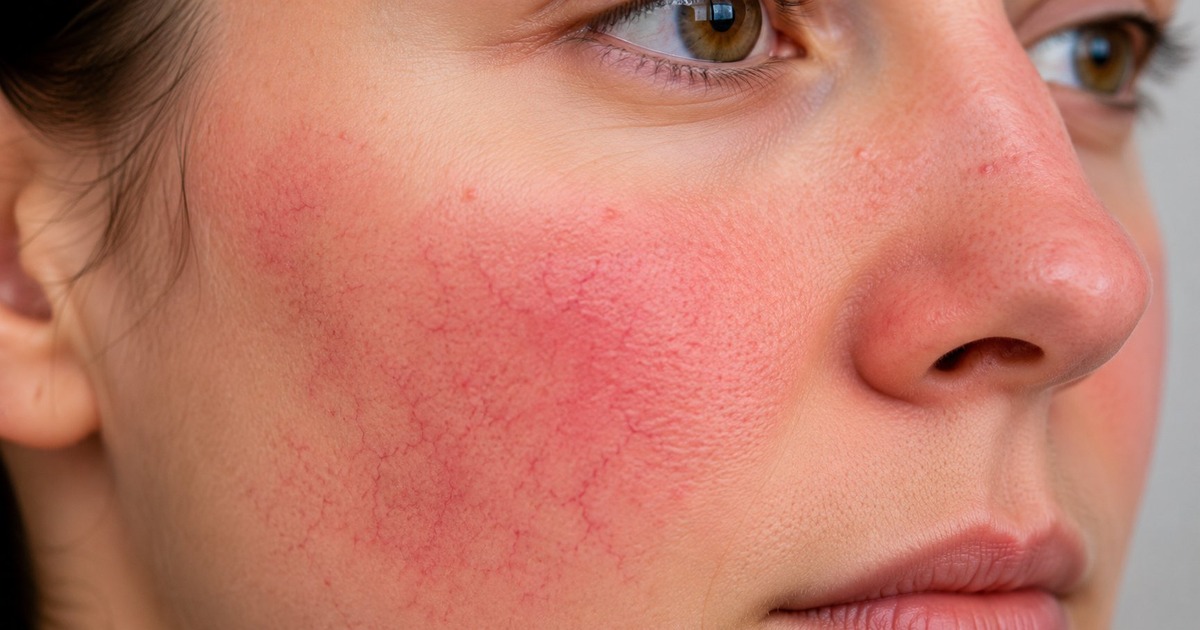
If you flush easily, have persistent redness across your cheeks and nose, or notice small visible blood vessels and the occasional breakout of spots, you may be one of the many Irish people living with rosacea. It is one of the most common skin conditions in the country, and one of the most misunderstood.
Estimates suggest that somewhere between 10 and 15 percent of the Irish population is affected by rosacea. Despite how common it is, rosacea is frequently mistaken for other conditions, mismanaged with the wrong products, or simply put up with. This guide explains what rosacea actually is, how it is properly managed, and where aesthetic treatments do and do not fit in.
One important point before we start: rosacea is a genuine medical skin condition, not just a cosmetic concern. The most important first step is proper diagnosis and medical management, which we cover below.
Aesthetic treatments can play a valuable role, but they work best alongside good medical care, not instead of it.
What is rosacea?
Rosacea is a chronic, long-term inflammatory skin condition that mainly affects the central face: the cheeks, nose, forehead, and chin. It tends to come and go in flare-ups, where symptoms worsen for a period before settling again. The exact cause is not fully understood, but it is believed to involve a combination of genetic and environmental factors. It is not caused by poor hygiene or anything you have done wrong.
Rosacea is not one single thing. Dermatologists recognise several different subtypes, and understanding which one you have matters, because they respond to different treatments.
The most common pattern involves persistent facial redness and flushing, often with small visible blood vessels (known as telangiectasia) across the cheeks and nose. Another pattern involves spots and pustules that can look similar to acne, which is why rosacea is sometimes mistaken for adult acne. A less common subtype involves thickening of the skin, most often on the nose. Rosacea can also affect the eyes, causing dryness, irritation, and a gritty sensation, which is known as ocular rosacea.
Many people have a combination of these. Identifying your particular pattern is the key to treating it effectively, which is why a proper assessment matters so much.
Why medical management comes first
Because rosacea is a medical condition, the foundation of treatment is usually medical, not aesthetic. This is an important distinction that a responsible clinic will always make clear.
For many people, the first port of call should be a GP or a dermatologist, who can confirm the diagnosis and prescribe evidence-based treatments. These commonly include topical prescription treatments such as metronidazole, azelaic acid, or ivermectin, which reduce inflammation and spots, and for more moderate cases, oral medications such as doxycycline. These prescription treatments are the established first-line approach for the inflammatory, spot-based form of rosacea, and no aesthetic treatment replaces them.
If your main concern is spots, pustules, or significant inflammation, please do see a GP or dermatologist rather than going straight to an aesthetic clinic. Getting the medical management right is the priority, and it is often very effective.
Where aesthetic treatments fit in
Aesthetic treatments come into their own for one particular aspect of rosacea that prescription medicines are less able to address: the persistent redness and the visible blood vessels.
Once the inflammatory side of rosacea is under control, many people are left with background redness and small broken blood vessels that medication does not fully resolve. This is where light-based and laser treatments can make a real difference.
IPL (Intense Pulsed Light) is the most widely used aesthetic treatment for rosacea-related redness in Ireland. It works by delivering light energy that is absorbed by the blood vessels causing the redness, which reduces their appearance and calms the overall flush. It is well suited to diffuse redness across the cheeks and nose. A course of several sessions is usually needed, and maintenance treatments are often recommended over time, because IPL manages the redness rather than curing the underlying condition.
Laser treatments, including vascular lasers, can target individual visible blood vessels more precisely than IPL. They are particularly useful where there are distinct, larger broken vessels rather than general diffuse redness.
In Ireland, IPL treatment for rosacea typically costs in the region of €160 per session, with course packages such as three sessions for around €420 commonly available. A full-face session may be priced slightly higher. Pricing varies between clinics, and a course rather than a single session is usually needed for a meaningful result.
It is worth being realistic about what these treatments achieve. They reduce redness and visible vessels, often significantly, and many people find the improvement genuinely life-changing for their confidence. But rosacea is a chronic condition, so these treatments manage it rather than cure it, and ongoing maintenance is part of the picture.
The role of skincare and triggers
Alongside medical and aesthetic treatment, two things make a real difference to living with rosacea: gentle skincare and trigger management.
Rosacea-prone skin is sensitive and reactive, so a gentle, simple skincare routine is important. Harsh products, strong actives, physical scrubs, and anything that strips or irritates the skin can trigger flare-ups. Medical-grade skincare formulated for sensitive or rosacea-prone skin, recommended by a practitioner who understands the condition, can help calm and support the skin barrier. The single most important skincare step is daily broad-spectrum SPF, because sun exposure is one of the most common rosacea triggers, even in Ireland's cloudy climate.
Identifying and avoiding your personal triggers is equally important. Common rosacea triggers include sun exposure, heat, alcohol (particularly red wine), spicy food, hot drinks, stress, and sudden changes in temperature. Triggers vary from person to person, so it is worth paying attention to what sets off your own flare-ups. Managing triggers will not cure rosacea, but it can significantly reduce how often and how severely it flares.
How to approach rosacea treatment
Putting it all together, a sensible approach to rosacea looks something like this.
Start with a proper diagnosis from a GP or dermatologist, especially if you have spots, pustules, or significant inflammation, and follow their prescribed medical treatment. Build a gentle, supportive skincare routine with daily SPF, and identify and manage your personal triggers. Then, once the inflammatory side is controlled, consider aesthetic treatments like IPL or vascular laser for any persistent redness and visible vessels that remain. Choose a qualified, experienced practitioner for these treatments, because applied incorrectly, light and laser treatments can cause harm, particularly on sensitive rosacea-prone skin.
The mistake to avoid is jumping straight to aesthetic treatments while skipping the medical foundation, or accepting IPL from someone who has not properly assessed your skin. A good practitioner will ask about your medical history, may suggest you see a GP or dermatologist first if appropriate, and will tailor treatment to your specific pattern of rosacea.
Finding a verified practitioner
If you are considering IPL or laser treatment for rosacea redness, the qualification and experience of your practitioner matters, both for your safety and for the result. Light and laser treatments on sensitive skin should be carried out by a properly trained practitioner who has assessed your skin and understands the condition.
You can search for register-verified aesthetic practitioners across Ireland on SafeSkin. Every clinic in our directory has been independently checked against the Medical Council, Dental Council, or NMBI register. If your concern is primarily redness and pigmentation, you may also find our guide to pigmentation and sun damage helpful, and our treatment quiz can help point you in the right direction.
Above all, remember that rosacea is a manageable condition. With the right combination of medical care, skincare, trigger management, and where appropriate, aesthetic treatment, most people can significantly improve both their skin and their confidence.
Medically reviewed by Dr Stephen Creedon
All SafeSkin editorial content is reviewed by a registered medical professional before publication.