Laser & Light

Laser Skin Treatments in Ireland

Renew skin texture and reduce scarring with precision laser energy.

Last updated: 29 March 2026

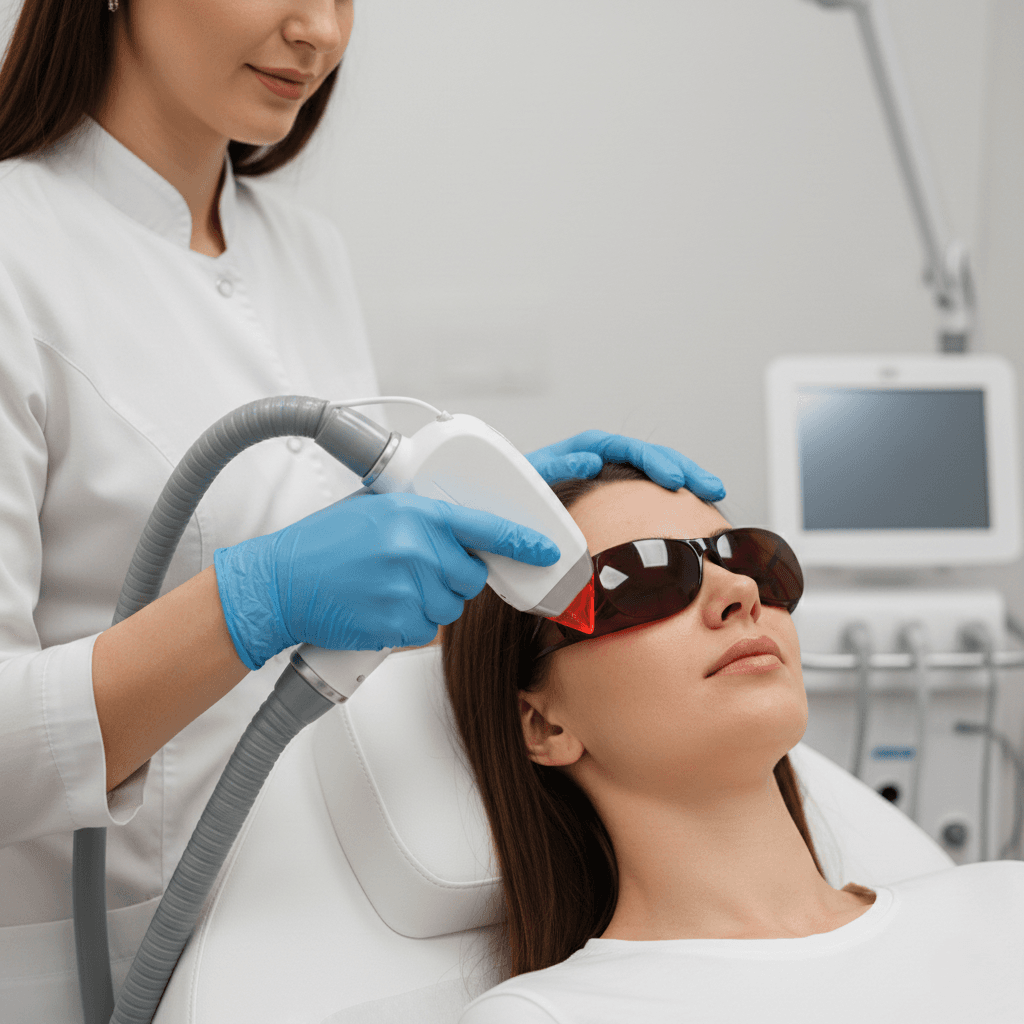
Laser Skin Treatments treatment in a clinical setting

Quick Facts

Laser & Light

Cost Range

€300–€1,500 per session

Treatment Time

30-90 minutes depending on area and laser type

Pain Level

Varies significantly by laser type — non-ablative treatments are typically mild to moderate with topical anaesthesia; ablative treatments may require stronger anaesthesia including nerve blocks or sedation

Recovery Time

Fractional non-ablative: 1-3 days; fractional ablative: 5-10 days plus residual pinkness for weeks; fully ablative: 2-4 weeks with erythema potentially lasting months

Results Last

Fractional non-ablative 6-12 months; fractional ablative 1-3 years; fully ablative CO2 up to 5 years with ongoing sun protection

Time to Results

Non-ablative: gradual improvement over 3-6 months; Ablative: visible within 2-4 weeks

Sessions Needed

Non-ablative: 3-6 sessions; Ablative: often 1-2 sessions

Educational content only: This page summarises publicly available information for educational purposes and is not medical advice. SafeSkin does not recommend any specific practitioner, clinic, product, or treatment. Individual results vary. Always consult a registered healthcare professional before any treatment decision. See our full disclaimer.

What Is Laser Skin Resurfacing?

Laser skin resurfacing is an advanced skin rejuvenation treatment that uses concentrated beams of light energy to precisely remove or heat layers of damaged skin, stimulating the body's natural healing response and triggering the production of fresh, new collagen. The result is smoother, firmer, more evenly toned skin with a reduction in wrinkles, scarring, pigmentation, and other signs of ageing and sun damage.

This guide focuses specifically on laser skin resurfacing, the ablative and non-ablative fractional technologies used to treat wrinkles, scarring, sun damage, and texture. Laser hair removal and laser treatment of vascular lesions (broken capillaries, spider veins, port-wine stains) use entirely different laser systems and are covered in separate treatment guides.

In Ireland, laser skin resurfacing is considered one of the most effective treatments for significant skin concerns that cannot be adequately addressed by topical skincare, chemical peels, or microneedling alone. It is performed by dermatologists, doctors, and specially trained practitioners using medical-grade laser systems in clinical environments.

The term "laser skin resurfacing" encompasses a range of technologies and approaches, broadly divided into two categories:

Ablative lasers (CO2 and Erbium:YAG) physically vaporise the outer layers of damaged skin, creating a controlled wound that heals with new, healthier skin. These lasers deliver the most pronounced results but require the most downtime and carry the highest risk profile.

Non-ablative lasers used for resurfacing include Erbium Glass (1550nm), Nd:YAG, and thulium lasers. They heat the deeper layers of the skin without removing the surface, stimulating collagen production from within. These offer a gentler approach with less downtime but typically require multiple sessions to achieve comparable results.

A further innovation, fractional technology, treats only a percentage of the skin surface (leaving microscopic columns of untreated skin between the treated zones), which dramatically speeds healing and reduces risk while still delivering excellent results. Most modern laser resurfacing in Ireland uses fractional technology, whether ablative or non-ablative. Fully ablative CO2 resurfacing is rarely performed in modern practice due to its extensive recovery and risk profile; fractional ablative is now the standard of care.

Laser skin resurfacing represents a significant investment in both cost and recovery time, but for the right candidate and the right concerns. It can deliver significant, long-lasting results that simpler treatments cannot match.

How Does Laser Skin Resurfacing Work?

The specific procedure varies depending on the type of laser used, but the general process follows these steps:

Pre-treatment consultation and preparation: A comprehensive consultation is essential. Your practitioner will assess your skin type (Fitzpatrick scale), the specific concerns to be addressed, your medical history, and your tolerance for downtime. They may prescribe a pre-treatment skincare regimen, often including a retinoid, and if indicated for pigmentation concerns, a prescription-only topical agent such as hydroquinone (available only on prescription in Ireland and the EU), alongside high-factor SPF, to prepare the skin for 2 to 4 weeks before the procedure.

Antiviral prophylaxis. For ablative laser resurfacing, prophylactic antiviral medication is typically prescribed routinely, regardless of cold sore history, because thermal injury can reactivate latent herpes simplex virus even in patients who have never had a visible outbreak. For non-ablative treatments, antivirals are usually prescribed only if you have a history of cold sores.

Eye protection. Laser treatment involves strict eye-safety protocols, you will wear protective goggles during treatment, and for periorbital (around-the-eye) procedures, specialised corneal shields are placed under the eyelids to fully protect the eyes from the laser beam.

On the day of treatment:

  1. Anaesthesia: The skin is cleansed and anaesthesia is applied. For non-ablative treatments, topical numbing cream is usually sufficient. For ablative treatments, stronger anaesthesia is used, this may include topical anaesthetics, nerve blocks, or in some cases light oral sedation.

  2. Laser application: The practitioner passes the laser handpiece across the treatment area in a precise, systematic pattern. For fractional lasers, the device creates thousands of microscopic treatment zones (microthermal zones) in the skin:

    • Ablative fractional (e.g., CO2 or Erbium:YAG): The laser vaporises tiny columns of skin tissue from the surface down into the dermis. The surrounding untreated tissue provides a reservoir of healthy cells to aid rapid healing.
    • Non-ablative fractional (e.g., Erbium Glass 1550nm): The laser heats columns of tissue in the dermis without breaking the skin surface, causing controlled thermal injury that stimulates collagen remodelling.
  3. Cooling and soothing: Cooling devices (cold air or contact cooling) may be used during treatment to enhance comfort and protect the epidermis. After the procedure, a soothing ointment, hydrating mask, or healing balm is applied.

The healing response: The controlled thermal injury triggers the body's wound-healing cascade. Over the following weeks and months, damaged collagen is replaced with new, organised collagen fibres. Pigmentation in the treated areas is broken down and gradually cleared from the skin. New, healthy epidermis forms from the base of the microthermal zones and the surrounding untreated skin. The result is tighter, smoother, more evenly pigmented skin with improved firmness and elasticity.

The full extent of collagen remodelling continues for 3 to 6 months after treatment, meaning results continue to improve well beyond the initial healing period.

Post-treatment skincare. Strict avoidance of active ingredients (retinoids, AHAs, BHAs, vitamin C) is essential for 2 to 4 weeks after treatment. Gentle bland cleansers, petroleum jelly or a specialised post-procedure balm, and broad-spectrum SPF 50 are the mainstays of aftercare. Strict sun protection, SPF 50 daily and avoidance of direct sun exposure where possible, is required for at least 4 to 6 weeks after treatment, and ongoing daily SPF is essential to protect results and prevent post-inflammatory hyperpigmentation, which can persist for months.

What to Expect

Before Your Treatment

Avoid sun exposure, tanning, and self-tan on the treatment area for 4 to 6 weeks prior, and discontinue retinoids 7 to 10 days before. Inform your practitioner of any cold sore history, photosensitising medications, and anticoagulants — for ablative treatments, prophylactic antivirals are typically prescribed routinely regardless of cold sore history. You may be asked to use a preparatory skincare regimen for 2 to 4 weeks, which can include a retinoid and, if indicated for pigmentation, prescription-only hydroquinone. A patch test may be performed to assess skin response.

During Your Treatment

After thorough cleansing, anaesthesia is applied — topical numbing cream for non-ablative treatments, and for ablative treatments stronger anaesthesia including nerve blocks or light sedation. You will wear protective laser-safe goggles, and for work around the eyes specialised corneal shields are placed under the eyelids. The practitioner moves the handpiece systematically across the treatment area, delivering precisely controlled energy. Non-ablative treatment feels like hot pinpricks; ablative treatment is more intense with a stinging, burning sensation. Treatment typically takes 20 to 60 minutes including preparation.

After Your Treatment

Recovery varies significantly by laser type. Fractional non-ablative treatments involve 1 to 3 days of redness and mild swelling. Fractional ablative treatments require 5 to 10 days of peeling and pinkness, with some residual redness continuing for several weeks. Fully ablative CO2 treatments — rarely performed today — involve 2 to 4 weeks of healing with erythema potentially lasting months. Avoid active ingredients (retinoids, AHAs, BHAs, vitamin C) for 2 to 4 weeks after treatment. Strict sun avoidance and broad-spectrum SPF 50 daily for at least 4 to 6 weeks are essential to protect results and prevent post-inflammatory hyperpigmentation.

Who Is It Suitable For?

Ideal Candidates

  • Sun damage and pigmentation
  • Acne scarring
  • Fine lines, deep wrinkles, and skin texture
  • Early skin laxity and photoageing

Who Should Avoid

  • Active tan or recent sun exposure
  • Darker skin types (Fitzpatrick IV to VI) carry elevated pigmentation risk with certain lasers, particularly ablative CO2 — specific laser selection and conservative settings are essential
  • Recent isotretinoin (Accutane) use — traditionally a 6 to 12 month wait for ablative procedures
  • Keloid or hypertrophic scarring tendency
  • Active skin infections or open wounds in the treatment area
  • Active cold sore outbreak (antiviral prophylaxis required for ablative)
  • Pregnancy and breastfeeding
  • Anticoagulant therapy (increased bruising and bleeding risk, particularly for ablative procedures — discuss with prescribing doctor)

How Much Does Laser Skin Resurfacing Cost in Ireland?

Laser skin resurfacing represents a more significant financial investment than treatments like microneedling or chemical peels, reflecting the advanced technology, clinical expertise, and transformative results involved.

Typical pricing in Ireland:

  • Non-ablative fractional laser (face): €300 to €600 per session (3 to 5 sessions typically needed)
  • Ablative fractional CO2 laser (face): €800 to €1,500 per session (1 to 2 sessions typically needed)
  • Erbium:YAG laser (face): €600 to €1,200 per session
  • Targeted treatment (small area, e.g., around eyes or mouth): €300 to €600 per session
  • Full face and neck combination: €1,000 to €2,000 per session

Factors affecting cost:

  • Laser type, ablative CO2 laser treatments cost more due to the higher level of clinical expertise, monitoring, and aftercare required.
  • Treatment area, full face costs more than treating a single zone. Adding the neck or décolletage increases the price further.
  • Number of sessions, non-ablative treatments require more sessions but at a lower per-session cost. Ablative treatments are typically fewer sessions at a higher cost per session. The total programme cost may be comparable.
  • Practitioner expertise, dermatologists and doctors with specialist laser training may charge premium fees, reflecting advanced skills and experience.
  • Pre and post-treatment care, some programmes include pre-treatment skincare products, prescribed medications (antivirals, antibiotics), and post-treatment follow-up appointments in the quoted price. Others charge these separately.

Given the investment involved. It is worth consulting with 2 to 3 practitioners before committing. You can search for verified clinics on SafeSkin.ie to compare laser resurfacing providers across Ireland.

Benefits and Risks

Key Benefits

  • Precise targeting of skin concerns
  • Range of intensities from gentle non-ablative to deeper fractional ablative
  • Effective for wrinkles, scarring, sun damage, and texture
  • Long-lasting durable improvements to collagen

Potential Risks

  • Redness and swelling (days to weeks depending on laser type)
  • Post-inflammatory hyperpigmentation, particularly in darker skin
  • Burns or thermal injury — risk minimised by appropriate practitioner expertise and device settings
  • Some laser types are not suitable for darker skin types due to elevated pigmentation risks

Laser Skin Resurfacing vs Alternative Treatments

TreatmentBest ForDuration of ResultsPrice RangeDowntime
Laser Skin ResurfacingDeep wrinkles, scarring, sun damageFractional non-ablative 6–12 months; fractional ablative 1–3 years; fully ablative CO2 up to 5 years€300–€1,500/session5–14 days
RF MicroneedlingSkin tightening, texture, moderate scarringEvery 12–18 months (maintenance)€300–€800/session3–7 days
MicroneedlingFine lines, texture, mild scarringEvery 3–6 months (maintenance)€150–€350/session2–5 days
Chemical PeelsPigmentation, acne, dullnessEvery 3–6 months (maintenance)€100–€500/session1–14 days

A note on duration. For peels, microneedling, and laser resurfacing, the figures above refer to the typical interval between maintenance sessions rather than the point at which results disappear. Collagen improvements are durable; skin continues to age naturally over time, which is why maintenance is recommended.

Laser resurfacing vs RF microneedling: RF microneedling combines mechanical microneedling with radiofrequency energy for collagen stimulation and skin tightening. It is an excellent intermediate option, more effective than standard microneedling but with less downtime than ablative laser resurfacing. For moderate concerns and patients who cannot take extended time off, RF microneedling is a strong alternative. For severe scarring, deep wrinkles, or significant sun damage, ablative laser resurfacing may deliver superior results.

Laser resurfacing vs microneedling: Microneedling is safer across all skin types, more affordable, and has less downtime. It is an excellent first-line treatment for fine lines, mild to moderate scarring, and texture concerns. However, for deep wrinkles, severe acne scarring, and significant photodamage, laser resurfacing offers a level of improvement that microneedling typically cannot match. Many patients start with microneedling and progress to laser resurfacing if more aggressive intervention is needed.

Laser resurfacing vs chemical peels: Chemical peels are more accessible and affordable, with a wide range of intensities available. Medium-depth TCA peels can address many of the same concerns as non-ablative laser treatments. However, for deep resurfacing and significant collagen remodelling, ablative lasers are more precise and predictable. Deep chemical peels (phenol) can achieve similar results to ablative laser, but with less control over depth and a different risk profile.

How to Choose a Provider in Ireland

Laser skin resurfacing is one of the most technique-dependent treatments in aesthetic medicine. The skill, experience, and judgement of your practitioner are the single most important factors in achieving safe, excellent results. This is not a treatment where cost should be the primary decision factor.

Essential qualifications:

  • Doctors registered with the Medical Council of Ireland
  • Dentists registered with the Dental Council of Ireland
  • Nurses registered with NMBI (Nursing and Midwifery Board of Ireland)

For ablative laser resurfacing. It is strongly recommended to choose a doctor, ideally a dermatologist or a practitioner with extensive experience in ablative laser procedures.

Critical questions to ask:

  • What type of laser system do you use, and why is it appropriate for my concerns?
  • How many laser resurfacing procedures have you performed?
  • What is your complication rate, and how do you manage complications if they arise?
  • Can I see before and after photographs of patients with similar concerns to mine?
  • What does the price include, consultation, pre-treatment products, medications, follow-up appointments?
  • What anaesthesia options are available, and what will recovery look like for me specifically?

Red flags:

  • Practitioners who are not registered with an Irish regulatory body
  • Clinics that do not conduct a thorough consultation including Fitzpatrick skin typing and medical history review
  • Use of outdated or non-medical-grade laser equipment
  • Performing ablative laser resurfacing in non-medical settings
  • No discussion of risks, alternatives, or realistic recovery expectations
  • Offering ablative CO2 laser to patients with dark skin without discussing the elevated risks
  • No pre-treatment preparation protocol or post-treatment follow-up plan

SafeSkin.ie verifies that all listed practitioners hold current registration with the appropriate Irish regulatory body. You can search for verified clinics on SafeSkin.ie to find qualified laser skin resurfacing providers across Ireland.

Looking for Laser Skin Treatments?

Every practitioner on SafeSkin is register-checked with the Medical Council of Ireland, the Dental Council, or NMBI. Find a qualified professional near you.

Search Verified Clinics

Frequently Asked Questions About Laser Skin Treatments