
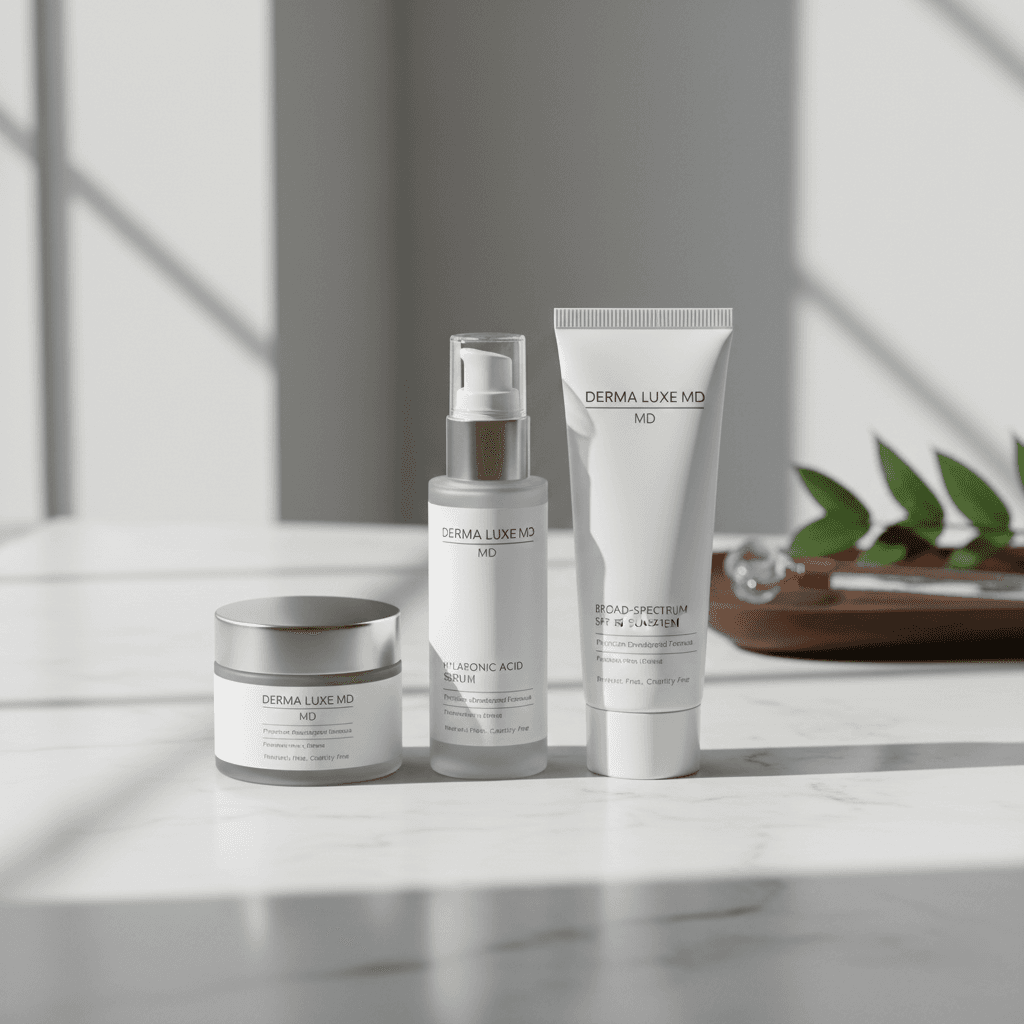
Skincare

Medical-Grade Skincare in Ireland

Last updated: 31 March 2026

Medical-Grade Skincare treatment in a clinical setting

Quick Facts

Skincare

Cost Range

€400–€800 for the full programme (products + clinic supervision)

Treatment Time

Daily home application (5-15 minutes) — clinic visits for assessment every 4-6 weeks

Pain Level

Low (1-2/5) — tingling and tightness during active phase is normal

Recovery Time

Moderate during active phase (4-6 weeks) — peeling, redness, and dryness expected as part of skin transformation

Results Last

Long-lasting with maintenance — programme reshapes skin cell behaviour

Time to Results

6-12 weeks for visible transformation; 18-24 weeks for full programme completion

Sessions Needed

One programme (18-24 weeks) with ongoing maintenance products

Educational content only: This page summarises publicly available information for educational purposes and is not medical advice. SafeSkin does not recommend any specific practitioner, clinic, product, or treatment. Individual results vary. Always consult a registered healthcare professional before any treatment decision. See our full disclaimer.

What Is Medical-Grade Skincare?

Medical-grade skincare refers to products that contain clinically proven active ingredients at concentrations designed to produce clinically meaningful improvements in skin quality, with some ingredients (particularly retinoids) producing measurable structural changes in the dermis. These products are typically dispensed through aesthetic clinics and dermatology practices following a professional skin assessment.

A note on terminology. "Medical-grade" is not a legally regulated term in Ireland or the EU. Unlike "prescription-only" (which has clear legal meaning), most products marketed as medical-grade are still classified as cosmetics under EU cosmetic regulations, not as medicines or medical devices. The distinction refers primarily to formulation quality, active ingredient concentration, clinical evidence, and the fact that they are typically dispensed through clinical settings following skin assessment, rather than any specific regulatory status.

Where the distinction does matter: a retail vitamin C serum might contain 5 to 10 per cent L-ascorbic acid in a formulation that may or may not remain stable, while a clinically-focused equivalent typically contains 15 to 20 per cent (above which absorption plateaus and irritation increases) in a delivery system engineered for optimal skin penetration and stability. That said, many excellent pharmacy and retail brands, such as La Roche-Posay, CeraVe, Paula's Choice, and The Ordinary, offer effective actives at reasonable concentrations, and the gap between retail and clinic-dispensed products is narrower than marketing often suggests.

In Ireland, clinic-dispensed skincare has grown significantly in popularity as aesthetic clinics have expanded across Dublin, Cork, Galway, Limerick, and other cities. Popular brands available through Irish clinics include SkinCeuticals, Obagi Medical, Environ, ZO Skin Health, iS Clinical, AlumierMD, Heliocare, Neostrata, Mesoestetic, and Dermaceutic. Each brand has different strengths and product ranges, your practitioner should recommend products based on your specific skin concerns, not brand preference.

Many practitioners now consider a tailored skincare regimen as foundational to any aesthetic treatment plan, not as a replacement for in-clinic procedures, but as an essential complement that enhances and maintains results. Clinic-dispensed skincare is particularly valuable for patients who want to improve their skin but are not ready for injectable or device-based treatments, those looking to maintain results between clinic visits, and anyone seeking evidence-based solutions for specific skin concerns.

How Does Medical-Grade Skincare Work?

Medical-grade skincare works through active ingredients that have robust clinical evidence supporting their efficacy. The key categories include:

Retinoids (Vitamin A derivatives) are the most extensively studied anti-ageing ingredient in dermatology. They work by increasing cell turnover, stimulating collagen production, reducing hyperpigmentation, and normalising oil production. Prescription-strength tretinoin (a prescription-only medication in Ireland, available only from a doctor, dentist, or nurse prescriber) is the gold standard. Retinaldehyde (retinal) is less common but clinically effective and closer in potency to tretinoin than retinol, and retinol itself is available in clinic-dispensed formulations without a prescription. Retinoids are effective for wrinkles and fine lines, acne, pigmentation, and dull skin.

Pregnancy warning. Retinoids, including tretinoin and retinol, should be avoided during pregnancy and breastfeeding. Oral isotretinoin is a major teratogen (Category X) and topical tretinoin is also contraindicated. Safer alternatives during pregnancy include vitamin C, niacinamide, azelaic acid, and mineral sunscreens.

Vitamin C (L-ascorbic acid) is a potent antioxidant that neutralises free radical damage from UV exposure and pollution. At concentrations of 15 to 20 per cent (above which absorption plateaus and irritation increases), it brightens the skin, reduces pigmentation, stimulates collagen synthesis, and enhances the effectiveness of sunscreen. Stability is critical, clinically-focused formulations use a pH below 3.5 and specific packaging to maintain potency.

Chemical exfoliants, including AHAs (glycolic acid, lactic acid, mandelic acid), BHAs (salicylic acid), and the gentler polyhydroxy acids (PHAs), remove dead skin cells, improve texture, unclog pores, and enhance the penetration of other active ingredients. Mandelic and PHAs are often preferred for darker skin types and sensitive skin. Higher concentrations with optimised pH levels are typical in clinic-dispensed products.

Other prescription topicals. For pigmentation, hydroquinone is a prescription-only medication in Ireland and the EU. For acne and rosacea, prescriptions such as adapalene, clindamycin, ivermectin, metronidazole, and azelaic acid (15% and above) are often part of comprehensive regimens. These are available only through a prescriber.

Niacinamide (Vitamin B3) at concentrations of 2 to 10 per cent strengthens the skin barrier, reduces inflammation, minimises pore appearance, and helps with pigmentation. It is well-tolerated by most skin types, including sensitive skin.

Broad-spectrum SPF is the single most important product in any skincare regimen. Clinic-dispensed sunscreens often feature cosmetically elegant formulations, additional active ingredients such as antioxidants and peptides, and are selected by practitioners for specific skin types and concerns. However, many pharmacy-available sunscreens also provide excellent UV protection, sunscreens are regulated as cosmetic products in the EU and must meet the same SPF testing standards regardless of where they are sold. The most important factor is consistent daily use. In Ireland, daily SPF use is recommended year-round, as significant UV radiation (particularly UVA) penetrates cloud cover.

Sun sensitivity, essential, not optional. Many active ingredients, retinoids, AHAs, BHAs, and vitamin C, increase sun sensitivity. Daily SPF 30+ use is not just recommended but essential when using these products. Without it, you are likely to see hyperpigmentation, irritation, and faster damage rather than improvement.

What to Expect

Before Your Treatment

Have a professional skin assessment with a practitioner who can evaluate your skin type, barrier function, and specific concerns. Discuss your current routine, any sensitivities, medications (including oral isotretinoin, antibiotics, or other photosensitising drugs), and goals — and disclose pregnancy or breastfeeding, as several active ingredients including retinoids and hydroquinone are contraindicated. Bring a list of products you currently use so the practitioner can check for overlaps or incompatible combinations.

During Your Treatment

Your practitioner performs a thorough skin analysis, often using tools such as magnification, UV imaging, or hydration and sebum measurement, then prescribes a tailored regimen of active products matched to your skin concerns. Prescription-only products such as tretinoin or hydroquinone require a doctor, dentist, or nurse prescriber; non-prescription clinic ranges may be dispensed by trained aestheticians. Expect the consultation to take 30 to 45 minutes including assessment, product education, and how to layer the regimen.

After Your Treatment

Introduce new products gradually over 2 to 4 weeks, typically starting retinoids 2 to 3 times per week and building up to nightly use (“retinisation”). Expect mild adjustment effects including dryness, flaking, and possibly “purging” — a temporary increase in breakouts that typically resolves in 4 to 8 weeks. Initial improvements in texture and radiance are often visible at 4 to 6 weeks; pigmentation, fine lines, and acne typically take 8 to 12 weeks. Daily broad-spectrum SPF 30+ is essential (not optional) when using retinoids, AHAs, BHAs, or vitamin C. Most benefits plateau or reverse if products are discontinued.

Who Is It Suitable For?

Ideal Candidates

  • Anyone wanting evidence-based skincare
  • Ageing prevention at any age
  • Acne, pigmentation, or dull skin
  • Patients maintaining clinic treatment results

Who Should Avoid

  • Pregnancy and breastfeeding — retinoids (tretinoin and retinol), hydroquinone, and high-concentration salicylic acid should be avoided; safer alternatives include vitamin C, niacinamide, azelaic acid, and mineral sunscreens
  • Active skin infections, eczema flare, or dermatitis in the treatment area until settled
  • Recent aesthetic procedures where actives should be paused temporarily (follow your practitioner’s guidance)
  • Known allergy to any specific ingredient — always patch-test new products
  • Broken or compromised skin barrier — repair first with bland moisturisers before introducing actives

Introducing Products and Managing Expectations

Medical skincare rewards patience and consistency. Here is what to know before starting a regimen:

Start slowly, "retinisation". Most patients benefit from starting retinoids 2 to 3 times per week and building up gradually over 4 to 6 weeks, regardless of skin sensitivity. This reduces irritation during the skin's adjustment period.

Purging. A temporary increase in breakouts in the first few weeks of retinoid use is common and often mistaken for an adverse reaction. Retinoids accelerate cell turnover, bringing underlying congestion to the surface, purging typically resolves in 4 to 8 weeks. True adverse reactions (persistent redness, burning, severe peeling beyond normal adjustment) are different and should be discussed with your practitioner.

Interactions between products. Some actives require careful layering or alternating. Vitamin C is typically used in the morning while retinoids are used at night, combining them or stacking retinoids with AHAs/BHAs can cause excessive irritation. Professional guidance helps avoid over-irritation from combining incompatible actives.

Timeline. Initial improvements in texture and radiance are often visible at 4 to 6 weeks. More significant improvements in pigmentation, fine lines, and acne typically take 8 to 12 weeks. Wrinkle improvement from retinoids may take 6 to 12 months. Acne clearance may take 12+ weeks. Pigmentation improvement may take 12 to 24 weeks.

Results depend on continued use. Most benefits plateau or reverse if products are discontinued, though some structural changes (from long-term retinoid use) may persist for a period after stopping.

Benefits and Risks

Key Benefits

  • Higher concentration of active ingredients than typical retail products
  • Clinically evidenced formulations
  • Tailored to individual skin type and concerns
  • Enhances and maintains clinic treatment results

Potential Risks

  • Initial adjustment period (2 to 4 weeks) with possible dryness or flaking
  • Purging: temporary increase in breakouts in early retinoid use, typically resolves in 4 to 8 weeks
  • Irritation from combining incompatible actives (retinoids with AHAs/BHAs, or too many products at once)
  • Sun sensitivity with retinoids, AHAs, BHAs, and vitamin C — daily SPF essential

Cost in Ireland

Medical-grade skincare in Ireland is most commonly sold as a clinic-supervised programme, a tailored set of prescription-strength products combined with structured clinic check-ins across an 18–24 week active phase.

  • Full clinic-supervised programme: €400 to €800 (the typical headline figure)
  • Individual products: €30 to €120 each (if buying individually)
  • Full starter regimen assembled without clinic supervision: €150 to €400
  • Annual investment: €400 to €1,200 (replacing products as they run out)

While this represents a higher cost than retail alternatives, the superior formulation, higher active ingredient concentrations, and professional guidance mean patients generally achieve measurable results rather than spending repeatedly on products that deliver only marginal improvements.

Many Irish clinics offer skincare packages, loyalty programmes, or bundle pricing that reduces the per-product cost. Some clinics include a skincare consultation at no additional charge when purchasing products.

Choosing a Practitioner in Ireland

Qualifications:

  • Doctors registered with the Medical Council of Ireland
  • Dentists registered with the Dental Council of Ireland
  • Nurses registered with NMBI (Nursing and Midwifery Board of Ireland)

For prescription-only products such as tretinoin and hydroquinone, you will need a doctor, dentist, or nurse prescriber. For non-prescription clinic-dispensed ranges. Many clinics have dedicated skincare specialists or aestheticians performing skin assessments and recommending products. This is generally appropriate for non-prescription skincare, but worth clarifying during booking if you expect a doctor consultation.

What to look for:

  • A proper skin assessment before products are recommended. Not a one-size-fits-all sales approach
  • Practitioners willing to explain why they stock particular brands and how they match them to your concerns
  • Follow-up and regimen adjustments based on how your skin responds
  • Honest guidance on which concerns are best addressed with skincare alone and which require in-clinic treatment

Every practitioner listed on SafeSkin.ie has been verified against official Irish professional registers.

Looking for Medical-Grade Skincare?

Every practitioner on SafeSkin is register-checked with the Medical Council of Ireland, the Dental Council, or NMBI. Find a qualified professional near you.

Search Verified Clinics

Frequently Asked Questions About Medical-Grade Skincare