
Skin Concern

Dull Skin and Uneven Tone Treatments in Ireland

Lack of radiance and glow caused by dead skin cell build-up.

Last updated: 29 March 2026

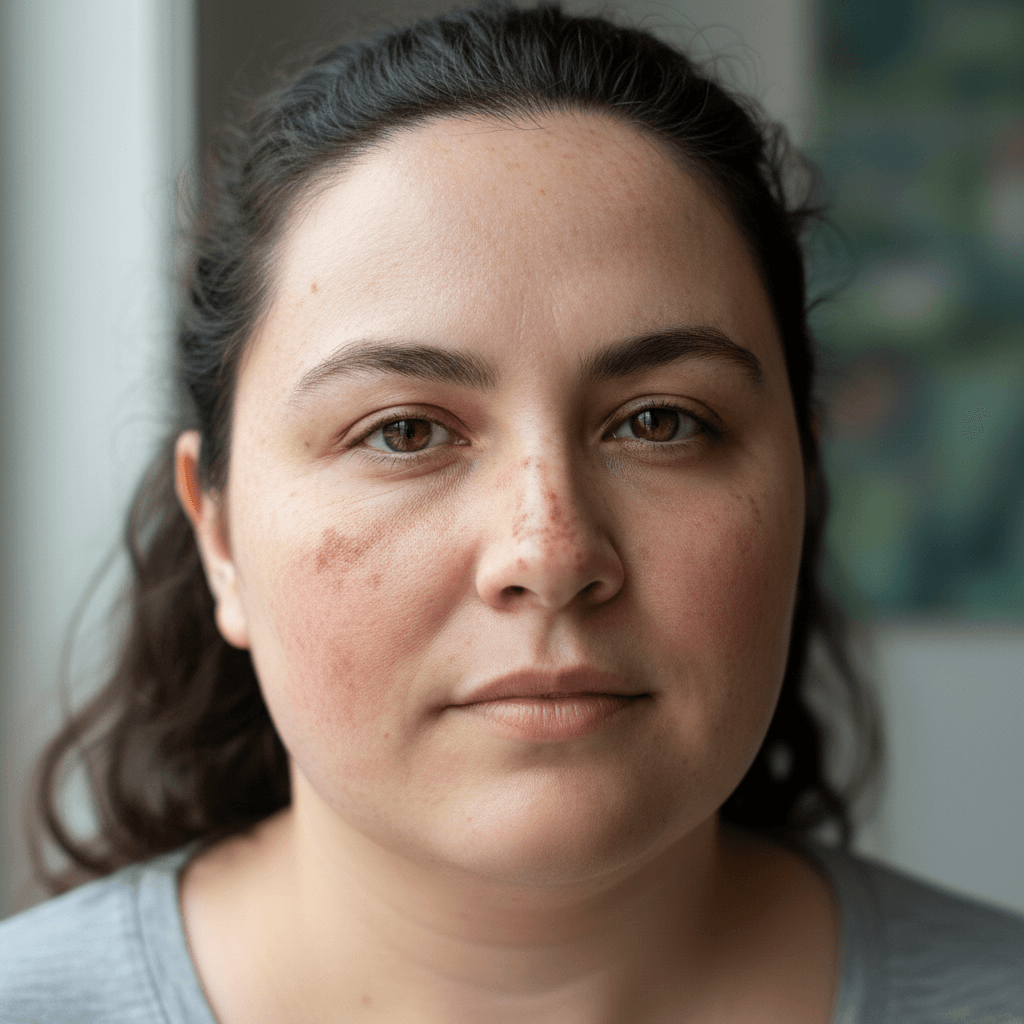
Visual representation of dull skin and uneven tone

Quick Facts

Common Causes

Dead skin buildup, dehydration, poor circulation, sun damage, ageing

Most Affected

All ages, more common with age and environmental exposure

Severity Range

Mild lack of radiance to pronounced sallowness, blotchiness, and textural irregularity

Recommended First Step

Professional skin analysis to identify underlying causes and recommend a tailored brightening programme

Find a Clinic

Educational content only: This page summarises publicly available information for educational purposes and is not medical advice. SafeSkin does not recommend any specific practitioner, clinic, product, or treatment. Individual results vary. Always consult a registered healthcare professional before any treatment decision. See our full disclaimer.

Understanding Dull / Uneven Tone

A bright, even, luminous complexion is often described as "healthy-looking skin" — and for good reason. Skin radiance is a genuine indicator of skin health, reflecting adequate hydration, regular cell turnover, good circulation, and protection from environmental damage. When any of these factors is compromised, the result is skin that appears flat, tired, sallow, or blotchy — what practitioners describe as dull and uneven skin tone.

Dull, uneven skin tone is one of the most common complaints at aesthetic clinics across Ireland. It affects people of all ages, though it becomes increasingly prevalent with age as the skin's natural renewal processes slow. Unlike specific conditions such as acne or pigmentation, dull skin is not a single diagnosis but rather a description of how the skin looks and feels — and it can have multiple contributing causes.

At its most basic level, skin radiance depends on how effectively the skin reflects light. Smooth, well-hydrated skin with a uniform surface reflects light evenly, creating the appearance of luminosity and glow. When the skin surface is rough (covered in accumulated dead cells), dry (lacking moisture to plump the surface), or uneven in colour (due to pigment irregularities, broken capillaries, or redness), light scatters unevenly, and the skin appears dull and lifeless.

In Ireland, several environmental and lifestyle factors conspire to make dull skin particularly common. The limited sunlight during winter months, cold and damp weather conditions, exposure to central heating, and the stresses of modern life all take a toll on the skin's appearance. This does not mean radiant skin is unattainable in Ireland — far from it. With the right skincare approach and, where needed, professional treatments, significant improvements in skin brightness and evenness are entirely achievable.

The encouraging aspect of dull, uneven skin tone is that it tends to respond well and relatively quickly to treatment. Unlike deep wrinkles or scarring, which require extensive collagen remodelling, improving skin brightness often involves addressing surface-level issues — dead cell buildup, dehydration, and superficial pigment irregularities — that can show visible improvement within weeks.

What Causes Dull / Uneven Tone?

Dull, uneven skin tone results from a combination of internal and external factors. Most people are affected by several of these simultaneously, which is why a multifaceted approach to treatment is most effective.

Dead skin cell accumulation is the most immediate and addressable cause. The epidermis naturally renews itself every 28 to 30 days in young adults, with dead cells shedding from the surface (a process called desquamation) as new cells rise from below. With age, this turnover cycle slows — by age 50, it can take 40 to 60 days. The resulting buildup of dead cells on the skin surface creates a rough, light-scattering texture that makes the skin appear dull and grey.

Dehydration is extremely common in Ireland and profoundly affects skin radiance. When the skin's water content drops, the surface cells shrink and become rough, the skin loses its plumpness, and light reflection becomes uneven. Dehydration can affect all skin types, including oily skin — it is a measure of water content, not oil content. Central heating, cold weather, wind exposure, caffeine, alcohol, and inadequate water intake all contribute.

Poor circulation reduces the delivery of oxygen and nutrients to the skin cells and impairs the removal of waste products. This can result from a sedentary lifestyle, smoking, cold weather, and stress. The result is a sallow, yellowish, or greyish cast to the skin, particularly noticeable in lighter skin tones common in Ireland.

Cumulative sun damage (photoageing) causes irregular melanin distribution, uneven texture, and a loss of skin clarity over time. Even in Ireland's climate, years of UV exposure lead to mottled pigmentation, sunspots, and the breakdown of the skin's smooth structure. This type of pigmentation and sun damage creates an uneven base tone that no amount of surface exfoliation alone can correct.

Natural ageing reduces the skin's natural luminosity through several mechanisms: slower cell turnover, decreased collagen and hyaluronic acid production (leading to thinner, drier skin), reduced microcirculation, and hormonal changes (particularly oestrogen decline during menopause). The cumulative effect is skin that progressively loses its youthful vibrancy.

Environmental pollution deposits particulate matter on the skin surface and generates free radicals that damage skin cells. Urban environments in Dublin, Cork, Limerick, and other Irish cities expose the skin to pollutants that contribute to oxidative stress and a lacklustre complexion.

Lifestyle factors play a significant role:

  • Sleep deprivation impairs the skin's overnight repair and renewal processes. The term "beauty sleep" has a genuine physiological basis — growth hormone released during deep sleep is essential for cell repair and collagen synthesis.
  • Stress increases cortisol levels, which impairs skin barrier function, reduces hydration, and can trigger inflammatory responses that affect skin clarity.
  • Diet directly affects skin quality. A diet low in antioxidants, vitamins, and essential fatty acids deprives the skin of the nutrients it needs for optimal cell function.
  • Smoking constricts blood vessels, depriving the skin of oxygen and nutrients, and generates massive quantities of free radicals. Smokers consistently have duller, more sallow skin than non-smokers.
  • Alcohol dehydrates the skin, dilates blood vessels (contributing to redness and blotchiness), and depletes vitamins essential for skin health.

Types and Severity Levels

Dull, uneven skin tone manifests in several ways, and identifying the specific pattern helps target treatment effectively.

Generalised dullness is an overall lack of radiance affecting the entire complexion. The skin appears flat, tired, and lacking in glow, without catching or reflecting light. This is most commonly caused by dead cell buildup and dehydration and is the most straightforward to address.

Sallowness is a yellowish or greyish cast to the skin, most noticeable in fair-skinned individuals. It is associated with poor circulation, smoking, fatigue, and nutritional deficiencies. In Ireland, sallowness is particularly common during the darker winter months when circulation and vitamin D levels may be lower.

Blotchiness and uneven colour involves patches of varying skin colour — areas of redness, areas of brownish discolouration, and areas of normal tone — creating a mottled appearance. This is often related to a combination of rosacea or redness, mild pigmentation, broken capillaries, and general photodamage.

Textural unevenness is roughness or irregular surface texture that affects how light interacts with the skin. This can result from dead cell buildup, enlarged pores, minor scarring, or chronic dryness. The skin may feel rough to the touch and appear unrefined.

Skin fatigue describes skin that looks tired, with a loss of the bounce and plumpness associated with healthy skin. Dark circles, puffiness around the eyes, and a general flatness contribute to this appearance. It is often linked to sleep deprivation, stress, and dehydration.

Severity levels:

  • Mild — Slight lack of radiance, particularly noticeable in certain lighting or after poor sleep. Skin still has reasonable tone and texture. Responds quickly to improved skincare and lifestyle changes.
  • Moderate — Consistently dull appearance with visible unevenness. Blotchiness or sallowness noticeable in normal lighting. Foundation or concealer feels necessary to achieve an even-looking complexion. Benefits from both at-home and professional treatments.
  • Severe — Pronounced dullness with significant colour variation, textural irregularity, and a fatigued appearance. Multiple contributing factors are likely present. Responds best to a comprehensive treatment programme combining professional interventions with an overhauled skincare and lifestyle approach.

Treatment Options Available in Ireland

Irish aesthetic clinics offer an excellent range of treatments that can transform dull, uneven skin into a brighter, more radiant complexion. Many patients see noticeable results after even a single treatment session.

Chemical peels are one of the most effective and popular treatments for dull skin in Ireland. By applying a controlled acid solution to the skin, peels dissolve the bonds between dead surface cells, accelerating their removal and revealing the fresher, more vibrant skin beneath. Different peel types suit different needs:

  • Glycolic acid peels — Excellent for general brightening and improving cell turnover
  • Lactic acid peels — Gentler option that also hydrates, ideal for sensitive or dry skin
  • Mandelic acid peels — Suitable for sensitive skin and darker skin types
  • Combination peels — Multi-acid formulations that address brightness, texture, and pigmentation simultaneously

Peels produce immediate visible brightening, with progressive improvement over a course of 4 to 6 sessions. Learn more about chemical peels.

Medical microneedling creates thousands of controlled micro-channels in the skin, triggering a robust healing response that accelerates cell turnover, stimulates collagen production, and improves the skin's ability to absorb active ingredients. When combined with brightening serums (vitamin C, hyaluronic acid, growth factors), microneedling can produce significant improvements in radiance and texture. Learn more about microneedling.

Profhilo is an injectable skin remodelling treatment that delivers high concentrations of hyaluronic acid into the skin, stimulating collagen and elastin production and providing deep-layer hydration. For dull, dehydrated skin, Profhilo can produce a remarkable transformation in skin quality, luminosity, and bounce. Most patients see full results after 2 sessions spaced 4 weeks apart, with effects lasting 6 to 9 months. Learn more about Profhilo.

Skin boosters (such as Seventy Hyal, Juvederm Volite, or Restylane Skinboosters) deliver hyaluronic acid into the dermis to improve hydration, elasticity, and luminosity from within. They are particularly effective for dehydration-related dullness and create a subtle but noticeable "glass skin" effect. Learn more about skin boosters.

IPL (Intense Pulsed Light) is highly effective for the uneven colour component of dull skin. It targets both excess melanin (brown discolouration) and haemoglobin (redness and broken capillaries), producing a more uniform base skin tone. After a course of IPL, many patients find their skin looks cleaner, clearer, and more even without makeup. Learn more about IPL.

Polynucleotides promote cellular regeneration and improve overall skin quality, hydration, and vitality. They are particularly beneficial for skin that has lost its lustre due to ageing or environmental exposure. Learn more about polynucleotides.

Medical-grade skincare is essential both as a standalone treatment for mild dullness and as a complement to in-clinic procedures. Key ingredients include:

  • Vitamin C (L-ascorbic acid) — Potent antioxidant, brightening agent, and collagen stimulator. The single most impactful skincare ingredient for improving radiance.
  • Retinoids — Accelerate cell turnover, improve texture, and even out skin tone
  • Alpha-hydroxy acids (AHAs) — Glycolic and lactic acid dissolve dead cell buildup
  • Hyaluronic acid — Attracts and retains moisture for plumper, more luminous skin
  • Niacinamide — Improves barrier function, reduces redness, and brightens

Learn more about medical-grade skincare.

Treatment Comparison for Dull Skin and Uneven Tone

TreatmentTypeDowntimeCost RangeResults Last
Chemical PeelsNon-injectable3-7 daysEUR 80-300CumulativeLearn more →
Skin BoostersInjectable1 dayEUR 200-4004-6 monthsLearn more →
ProfhiloInjectableNoneEUR 300-5006-9 monthsLearn more →
Medical MicroneedlingNon-injectable1-2 daysEUR 150-350CumulativeLearn more →
Medical-Grade SkincareNon-injectableNoneEUR 50-200OngoingLearn more →

Choosing the Right Treatment

The best approach to dull, uneven skin depends on identifying the primary contributing factors and addressing them systematically.

If dehydration is the main issue, start with hydration-focused treatments. Profhilo or skin boosters can transform skin quality from within, while incorporating hyaluronic acid serums and moisturisers into your daily routine addresses surface hydration. Results from hydration treatments are often the most immediately visible and gratifying.

If dead cell buildup and slow turnover are the primary causes, chemical peels and a retinoid-based skincare routine should be the foundation. Regular peels (monthly) combined with at-home glycolic or lactic acid use will significantly accelerate cell renewal and reveal brighter skin.

If uneven colour is the dominant concern, IPL treatment to address pigment irregularities and redness creates a more uniform canvas. Combined with vitamin C serum and sun protection, this approach tackles the root cause of colour unevenness. If the unevenness involves distinct pigmentation, targeted pigmentation treatments may be more appropriate.

If ageing is the key factor, a combination approach is most effective. Profhilo for hydration and collagen stimulation, microneedling for skin renewal, retinoids for cell turnover, and vitamin C for brightening work synergistically to restore a more youthful radiance.

For a quick refresh before an event, a single chemical peel or a HydraFacial-type treatment can produce immediate visible brightening. Allow at least 3 to 5 days before the event for any peeling or redness to resolve.

Budget considerations: If budget is a concern, investing in a good medical-grade skincare routine (vitamin C serum, retinoid, SPF, and moisturiser) delivers excellent value. In-clinic treatments can then be added strategically — even a single chemical peel every 4 to 6 weeks can maintain significantly brighter skin.

Find a verified clinic near you on SafeSkin for a professional skin assessment and personalised treatment plan.

Prevention and Self-Care

Maintaining bright, even skin requires consistent daily habits. The good news is that the fundamentals are straightforward and accessible.

Establish a consistent skincare routine. A basic but effective morning and evening routine makes a substantial difference:

  • Morning: Gentle cleanser, vitamin C serum, moisturiser, broad-spectrum SPF 30 to 50
  • Evening: Double cleanse (oil-based then water-based), retinoid (start 2 to 3 times per week), moisturiser
  • 2 to 3 times weekly: Chemical exfoliant (glycolic acid, lactic acid, or a blend)

Wear SPF every day without exception. Sun damage is a major contributor to uneven skin tone, and it accumulates insidiously even in Ireland. UVA rays penetrate clouds and glass, meaning your skin is exposed even on grey days and when driving. The HSE and Irish Association of Dermatologists both recommend daily sunscreen as a fundamental health measure.

Stay hydrated. Aim for 1.5 to 2 litres of water daily, more if you are active or consuming caffeine or alcohol. Herbal teas count toward your intake. In Ireland's climate, where central heating is used for much of the year, consider using a humidifier in your home or office to counteract the drying effect of heated air.

Prioritise sleep. Aim for 7 to 9 hours per night. During sleep, the skin's blood flow increases, collagen is rebuilt, and cell damage is repaired. Chronic sleep deprivation is one of the most visible causes of dull skin. Good sleep hygiene — consistent bedtime, dark room, limited screen time before bed — supports both skin health and overall wellbeing.

Exercise regularly. Physical activity increases blood circulation, delivering oxygen and nutrients to the skin and giving it a natural flush and glow. Even moderate exercise such as brisk walking for 30 minutes benefits the skin. After exercise, cleanse promptly to remove sweat and prevent breakouts.

Eat a nutrient-rich diet. Prioritise:

  • Antioxidant-rich foods: Berries, dark leafy greens, tomatoes, peppers, dark chocolate
  • Omega-3 fatty acids: Salmon, mackerel, sardines, walnuts, flaxseed
  • Vitamin C sources: Citrus fruits, kiwi, strawberries, broccoli
  • Vitamin A sources: Sweet potato, carrots, spinach, eggs
  • Zinc: Pumpkin seeds, chickpeas, lean meat

Limit alcohol and reduce smoking. Both are significant contributors to dull skin. Alcohol dehydrates and depletes skin-essential vitamins. Smoking restricts blood flow and generates free radicals. Even reducing intake (if not eliminating) produces noticeable skin benefits. The HSE offers comprehensive support for both alcohol reduction and smoking cessation.

Manage stress. Chronic stress elevates cortisol, which impairs skin barrier function, slows cell renewal, and can trigger inflammatory responses. Regular exercise, mindfulness, social connection, and professional support when needed all help manage stress. Ireland's mental health services, including the HSE's YourMentalHealth.ie, provide valuable resources.

When to Seek Professional Help

When your skincare routine is not delivering results. If you have been using a consistent brightening routine for 8 to 12 weeks without noticeable improvement, a professional assessment can identify what is missing and recommend more effective products or treatments.

When you want faster or more dramatic results. Over-the-counter products work gradually through successive skin cycles. Professional treatments like chemical peels, microneedling, and Profhilo can accelerate the process significantly, producing in weeks what might take months with skincare alone.

When dullness is accompanied by other skin concerns. If your uneven tone is part of a broader picture that includes wrinkles, pigmentation, skin laxity, or acne, a practitioner can develop a comprehensive plan that addresses multiple concerns efficiently.

For a pre-event glow. Professional treatments can prepare your skin for weddings, graduations, milestone birthdays, or professional events. Book a consultation 6 to 8 weeks before the event to allow time for a short course of treatments.

When you are unsure which products are right for your skin. The skincare market is overwhelming, and not all products suit all skin types. A professional skin analysis can cut through the confusion and provide a personalised prescription that works for your specific skin.

If dullness is persistent and accompanied by fatigue or other symptoms. While dull skin is usually cosmetic, persistent sallowness combined with tiredness, hair loss, or other changes may warrant a medical assessment to rule out anaemia, thyroid dysfunction, or nutritional deficiencies. See your GP if you have concerns.

For a professional skin assessment and personalised treatment plan, find a verified clinic near you on SafeSkin, where every practitioner is confirmed as registered with the Medical Council of Ireland, the Dental Council, or NMBI.

What to Expect from Treatment

Your consultation will typically include a detailed skin analysis, often using magnification or digital imaging technology to assess skin texture, hydration levels, pigment distribution, and pore size. Your practitioner will ask about your current skincare routine, lifestyle, medical history, and specific concerns. Based on this assessment, they will recommend a tailored programme that may combine at-home skincare with in-clinic treatments.

First treatment results from brightening treatments are often visible immediately. Chemical peels in particular produce instant brightening — many patients comment that their skin looks visibly different after a single session. This immediate improvement is due to the removal of the dull surface layer, and it continues to develop as the skin heals and renews over the following days.

A typical treatment course for dull, uneven skin might include:

  • A medical-grade skincare prescription (daily use for ongoing improvement)
  • 4 to 6 chemical peels at 2 to 4 week intervals
  • 2 sessions of Profhilo 4 weeks apart (for hydration and quality)
  • 2 to 3 IPL sessions at 3 to 4 week intervals (if colour unevenness is present)

During a chemical peel, the solution is applied to clean skin and left for a specific duration (typically 5 to 15 minutes depending on the type and concentration). You may feel a tingling or mild stinging sensation. The peel is then neutralised or removed. Your practitioner will apply soothing products and SPF. The entire appointment takes approximately 30 to 45 minutes.

Post-treatment recovery is generally mild for most brightening treatments:

  • Chemical peels: Mild redness for a few hours. Superficial peels may cause light flaking for 1 to 3 days. Medium peels can involve more noticeable peeling for 3 to 5 days. Avoid active skincare ingredients for 48 hours after.
  • Microneedling: Redness similar to sunburn for 24 to 48 hours. Skin may feel dry or tight. Resume retinoids after 48 to 72 hours.
  • Profhilo: Small bumps at injection points that resolve within hours. Minimal restrictions.
  • IPL: Mild redness and warmth for a few hours. Any treated pigmented spots will darken before flaking off over 5 to 10 days.

Progressive improvement is the hallmark of a well-designed brightening programme. After each treatment, the skin appears brighter, smoother, and more even. The cumulative effect over a full course is often transformative — patients frequently describe the difference as looking like they have a permanent filter on their skin.

Maintenance is straightforward. Continue your medical-grade skincare routine daily, with particular emphasis on vitamin C, retinoids, and SPF. Periodic in-clinic maintenance — a chemical peel every 4 to 6 weeks or Profhilo every 6 to 9 months — keeps the skin in optimal condition. Many patients find that once they achieve the radiance they are looking for, maintaining it becomes a simple, enjoyable part of their routine.

Take the first step toward brighter, more even skin by booking a consultation with a verified practitioner — find a clinic near you on SafeSkin.

Looking to treat dull skin and uneven tone?

Every practitioner on SafeSkin is register-checked with the Medical Council of Ireland, the Dental Council, or NMBI. Find a qualified professional near you.

Search Verified Clinics

Frequently Asked Questions About Dull Skin and Uneven Tone

Treatments for Dull Skin and Uneven Tone