#Understanding Redness and Rosacea
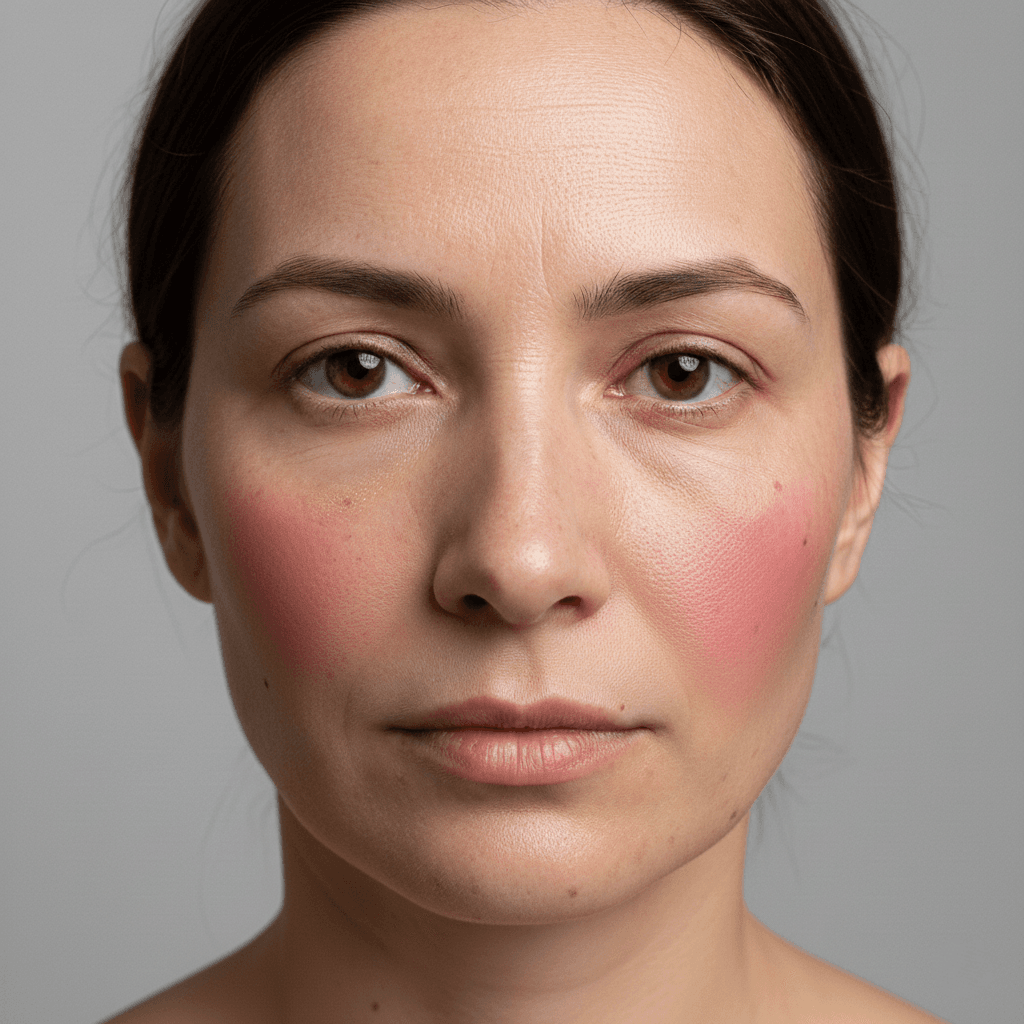
Rosacea is a chronic inflammatory skin condition that primarily affects the central face — the cheeks, nose, chin, and forehead. It is characterised by persistent redness, flushing, visible blood vessels (telangiectasia), and in some cases, small red bumps (papules) and pus-filled spots (pustules) that can be mistaken for acne.
Ireland has one of the highest rates of rosacea in the world. This is no coincidence — the condition disproportionately affects people with fair, Celtic skin types (Fitzpatrick skin types I and II), which make up the vast majority of the Irish population. The combination of genetic predisposition and Ireland's changeable climate, with its wind, rain, and sudden temperature shifts, creates a particularly challenging environment for rosacea-prone skin.
Despite being so common, rosacea remains widely misunderstood. Many people live with facial redness for years without realising they have a diagnosable and treatable condition. Others dismiss it as simply having "sensitive skin" or being prone to blushing. In reality, rosacea is a complex neurovascular and inflammatory condition that involves dysfunction in the skin's immune response, blood vessel regulation, and barrier function.
The emotional and psychological impact of rosacea should not be underestimated. Research consistently shows that people with rosacea experience higher rates of anxiety, depression, and social withdrawal. The visible nature of the condition — always on display, difficult to conceal — can significantly affect self-confidence and quality of life. This makes effective management not just a cosmetic concern but a genuine wellbeing priority.
The good news is that rosacea management has advanced significantly in recent years. Between medical treatments, carefully formulated skincare, trigger avoidance strategies, and professional aesthetic treatments such as IPL and laser therapy, most people with rosacea can achieve excellent control of their symptoms and enjoy clear, comfortable skin.
#What Causes Rosacea?
The exact cause of rosacea remains the subject of ongoing research, but it is understood to be a multifactorial condition involving several interconnected mechanisms.
Genetics play a significant role. Rosacea tends to run in families, and people of Northern European and Celtic descent are disproportionately affected. If you have a parent or sibling with rosacea, your risk is substantially higher. Genome-wide association studies have identified several genetic variants linked to rosacea, many of which overlap with genes involved in autoimmune and inflammatory conditions.
Neurovascular dysfunction is a hallmark of rosacea. The blood vessels in the facial skin of people with rosacea are abnormally reactive — they dilate more easily and take longer to constrict. This is why flushing and persistent redness are such defining features. Over time, these blood vessels can become permanently dilated, appearing as visible red or purple lines on the skin (telangiectasia).
Innate immune system dysregulation is another key factor. Research has shown that people with rosacea have elevated levels of certain antimicrobial peptides, particularly cathelicidin (LL-37), in their facial skin. These peptides are part of the body's natural defence system, but in rosacea, they are produced in abnormally high quantities and in altered forms that promote inflammation and blood vessel growth.
Demodex mites — microscopic mites that live in hair follicles — are found in significantly higher numbers on the skin of people with rosacea. While Demodex mites are normal inhabitants of human skin, the elevated population in rosacea sufferers is thought to contribute to inflammation, particularly in the papulopustular subtype.
Environmental and lifestyle triggers do not cause rosacea but provoke flare-ups in people who have the condition. In the Irish context, the most relevant triggers include:
- Sun exposure — even on overcast days, UV radiation is a top trigger
- Temperature extremes — moving between heated indoor environments and cold, windy outdoor conditions
- Wind and harsh weather — Ireland's Atlantic climate provides constant exposure
- Alcohol — a significant social factor in Irish culture that many rosacea sufferers find challenging to navigate
- Spicy food, hot drinks, and certain dietary factors
- Stress and intense emotions
- Strenuous exercise — particularly in heated or poorly ventilated environments
Understanding your personal triggers is one of the most powerful tools in managing rosacea long-term.
#Types and Severity Levels
Rosacea is classified into four main subtypes, though many people experience features of more than one subtype simultaneously.
Subtype 1: Erythematotelangiectatic Rosacea (ETR) is the most common form and is characterised by persistent central facial redness, frequent flushing, and visible blood vessels. The skin often feels sensitive, dry, and may sting or burn. This subtype is particularly prevalent in Ireland and is the type most responsive to IPL and vascular laser treatments.
Subtype 2: Papulopustular Rosacea presents with persistent redness accompanied by red bumps (papules) and pus-filled spots (pustules), often in a symmetrical pattern across the cheeks, chin, and forehead. This subtype is frequently confused with acne, but unlike acne, rosacea papules and pustules do not involve comedones (blackheads and whiteheads). This distinction is crucial for treatment, as many acne treatments can worsen rosacea.
Subtype 3: Phymatous Rosacea involves thickening of the skin, enlargement of the sebaceous glands, and irregular surface nodularity. The most well-known manifestation is rhinophyma — a bulbous, thickened nose — though phymatous changes can affect the chin, forehead, cheeks, and ears. This subtype is more common in men and develops gradually over many years.
Subtype 4: Ocular Rosacea affects the eyes and eyelids, causing redness, dryness, burning, grittiness, light sensitivity, and recurrent styes or chalazia. Up to 50 percent of people with skin rosacea also experience ocular symptoms, though ocular rosacea can sometimes occur in isolation. This subtype requires assessment by an ophthalmologist.
Severity grading is typically described as:
- Mild: Occasional flushing, slight persistent redness, few or no visible blood vessels
- Moderate: Persistent redness across multiple facial zones, noticeable telangiectasia, some papules or pustules
- Severe: Intense, widespread redness, numerous visible blood vessels, frequent papulopustular flares, possible early phymatous changes, significant impact on quality of life
#Treatment Options Available in Ireland
Ireland offers a comprehensive range of rosacea treatments, from medical therapies to advanced aesthetic procedures. The most effective approach is typically a combination of treatments tailored to your specific subtype and severity.
Medical-grade skincare forms the foundation of rosacea management. Products containing ceramides, niacinamide, azelaic acid, and centella asiatica can help strengthen the skin barrier, reduce inflammation, and calm redness. Medical-grade skincare programmes from brands such as SkinCeuticals, Obagi, ZO Skin Health, and Heliocare are widely available through Irish clinics and offer targeted formulations for rosacea-prone skin.
IPL (Intense Pulsed Light) is one of the most effective treatments for rosacea-related redness and visible blood vessels. IPL treatments work by delivering controlled pulses of light that are absorbed by the haemoglobin in dilated blood vessels, causing them to coagulate and be reabsorbed by the body. Most people require 3 to 6 sessions, spaced 3 to 4 weeks apart, with maintenance sessions every 6 to 12 months.
Vascular laser treatments such as Nd:YAG and pulsed dye laser (PDL) offer highly targeted treatment of individual blood vessels and diffuse redness. Laser treatments can be particularly effective for larger, more stubborn telangiectasia that may not respond fully to IPL.
LED light therapy using specific wavelengths (particularly amber and red light) can help reduce inflammation and promote healing in rosacea-prone skin. LED therapy is gentle, non-invasive, and can be used during active flares when other treatments may be too stimulating.
Prescription medications available through your GP or dermatologist include topical treatments (metronidazole, ivermectin, azelaic acid, brimonidine) and oral medications (low-dose doxycycline, isotretinoin in severe cases). These are often used alongside aesthetic treatments for optimal results.
Skin boosters and bio-remodelling treatments such as Profhilo and skin boosters can help improve skin hydration, quality, and barrier function in rosacea-prone skin, though these should only be administered by experienced practitioners who understand the specific considerations for rosacea patients.
#Choosing the Right Treatment
Selecting the most appropriate treatment for your rosacea depends on several factors, and a thorough consultation with a qualified practitioner is essential.
Consider your rosacea subtype. If your primary concern is diffuse redness and visible blood vessels (subtype 1), IPL and vascular laser treatments are likely to offer the most significant improvement. If you have papules and pustules (subtype 2), medical treatment — potentially combined with gentle aesthetic procedures — may be the priority. Phymatous rosacea (subtype 3) may require more interventional approaches including laser resurfacing or surgical treatment.
Assess your skin type. While rosacea predominantly affects fair skin types, it can occur in all skin types. IPL and certain lasers carry higher risks in darker skin tones (Fitzpatrick types IV to VI), so your practitioner must select appropriate devices and settings. Always ensure your practitioner has experience treating rosacea in your specific skin type.
Evaluate your current rosacea status. Many aesthetic treatments should not be performed during an active flare-up. Your rosacea should ideally be stable and well-controlled before commencing treatments such as IPL, laser, or chemical peels. Your practitioner may recommend stabilising your skin with medical treatment and skincare before moving to aesthetic procedures.
Think about your lifestyle and budget. IPL and laser treatments require multiple sessions and periodic maintenance. Consider whether you can commit to the recommended treatment schedule. Factor in the cost of ongoing medical-grade skincare, which forms an essential part of long-term management.
Verify your practitioner's qualifications. In Ireland, IPL and laser devices for rosacea should be operated by or under the supervision of a qualified medical professional — a doctor, dentist, or nurse with specific training in vascular laser and IPL treatments. You can find a verified clinic near you through the SafeSkin directory.
Ask the right questions during your consultation: What is your experience treating rosacea specifically? What device do you use and why? How many sessions will I need? What results can I realistically expect? What are the risks for my skin type?
#Prevention and Self-Care
While rosacea cannot be prevented entirely, effective self-care can dramatically reduce the frequency and severity of flare-ups.
Sun protection is non-negotiable. UV radiation is the single most commonly reported trigger for rosacea flare-ups. Wear a broad-spectrum SPF 30 to 50 sunscreen every day, even in winter and on overcast days — a particularly important habit in Ireland where many people underestimate UV exposure on cloudy days. Choose mineral (zinc oxide or titanium dioxide) sunscreens, as these are generally better tolerated by rosacea-prone skin than chemical sunscreen filters.
Build a rosacea-friendly skincare routine. Use a gentle, fragrance-free cleanser (cream or micellar, not foaming), a hydrating moisturiser with barrier-repair ingredients (ceramides, hyaluronic acid, niacinamide), and your SPF. Avoid products containing alcohol, fragrance, menthol, witch hazel, eucalyptus, or strong acids. Introduce new products one at a time and patch test behind the ear or on the inner wrist before applying to the face.
Identify and manage your triggers. Keep a diary of your flare-ups, noting the weather, what you ate and drank, your stress levels, products you used, and any other factors. Over time, patterns will emerge that help you avoid your specific triggers.
Protect your skin from the elements. Ireland's wind, rain, and cold can aggravate rosacea significantly. Wear a scarf to shield your face in cold, windy weather. Apply a protective barrier cream before going outdoors in harsh conditions. In centrally heated environments, use a humidifier to prevent the dry air from dehydrating your skin.
Manage stress proactively. Stress is one of the most commonly reported rosacea triggers. Regular exercise (keeping intensity moderate and staying cool), mindfulness, adequate sleep, and whatever stress-management techniques work for you can all help reduce the frequency of stress-triggered flares.
Be mindful of alcohol consumption. Alcohol, particularly red wine and spirits, is a well-documented rosacea trigger. While complete abstinence is not necessary for everyone, being aware of how alcohol affects your skin and moderating your intake accordingly can make a meaningful difference.
Eat an anti-inflammatory diet. While no specific diet cures rosacea, an anti-inflammatory diet rich in omega-3 fatty acids (oily fish, walnuts, flaxseed), antioxidant-rich vegetables, and whole grains may help reduce baseline skin inflammation. Limit known dietary triggers such as spicy food, very hot drinks, and histamine-rich foods if you find they affect your skin.
#When to Seek Professional Help
Certain situations warrant professional assessment and treatment rather than relying solely on self-care.
Seek medical advice if you notice persistent facial redness that does not resolve on its own. Many people live with undiagnosed rosacea for years, attributing their redness to sensitivity, blushing, or weather exposure. A formal diagnosis opens the door to effective treatment.
Consult a practitioner if over-the-counter products are not controlling your symptoms. Medical-grade skincare and prescription treatments are significantly more effective than consumer-grade products for rosacea management. A qualified practitioner can design a targeted skincare programme and, if necessary, prescribe appropriate medication.
See a professional promptly if you develop papules and pustules. Papulopustular rosacea responds well to treatment but can worsen if left unmanaged. Do not attempt to treat rosacea papules with over-the-counter acne products, as many acne treatments (benzoyl peroxide, strong retinoids, harsh exfoliants) can significantly worsen rosacea.
Seek assessment if your rosacea is affecting your eyes. Ocular rosacea can lead to complications including corneal damage if left untreated. Symptoms include chronically red, dry, gritty, or burning eyes, recurrent styes, and light sensitivity. Your GP can refer you to an ophthalmologist.
Consult a practitioner if you notice skin thickening or textural changes, particularly on the nose. Early intervention can help prevent the progression of phymatous changes.
Reach out if rosacea is affecting your mental health or quality of life. The psychological burden of rosacea is real and valid. A practitioner who understands the emotional dimension of the condition can help you access effective treatments and, if needed, refer you to appropriate psychological support.
In Ireland, you can start by visiting your GP, who may refer you to a dermatologist for diagnosis and medical management. For aesthetic treatments such as IPL, laser therapy, and medical-grade skincare programmes, you can find a verified clinic near you through the SafeSkin directory, where all listed practitioners have been verified for their qualifications and training.
#What to Expect from Treatment
Understanding what to expect at each stage of rosacea treatment helps set realistic expectations and supports long-term adherence to your management plan.
During your initial consultation, your practitioner will take a detailed history of your symptoms, triggers, current skincare routine, and previous treatments. They will examine your skin — often using a dermatoscope or magnifying lamp — to assess the extent of redness, telangiectasia, papules, and any other features. They will discuss treatment options, expected outcomes, and develop a personalised plan.
In the early weeks of treatment, whether you are starting medical-grade skincare, prescription medication, or aesthetic procedures, your skin may go through an adjustment period. Some people experience temporary sensitivity, mild dryness, or even a brief worsening before improvement begins. This is normal and your practitioner will guide you through it.
IPL and laser treatment sessions typically take 15 to 30 minutes. You may feel a snapping or warming sensation during the treatment. Immediately afterwards, your skin will likely be red and slightly swollen — this is expected and typically settles within a few hours to a couple of days. You will need to avoid sun exposure, intense heat, and strenuous exercise for 24 to 48 hours after each session. Results are cumulative, with visible improvement typically becoming apparent after 2 to 3 sessions.
Realistic expectations are important. Rosacea is a chronic condition, and while treatments can dramatically reduce redness, shrink visible blood vessels, and improve skin quality, they do not eliminate the underlying predisposition. Most people will need ongoing maintenance — whether that means periodic IPL sessions, a consistent medical-grade skincare routine, or both — to sustain their results.
Long-term management typically involves a combination of daily skincare (gentle cleanser, targeted serums, moisturiser, SPF), trigger avoidance, and periodic professional treatments. Many people find that once they have their rosacea well-controlled, maintenance requires relatively little effort — a good skincare routine becomes second nature, and periodic IPL or laser sessions (every 6 to 12 months) keep visible blood vessels at bay.
Track your progress. Taking standardised photographs (same lighting, angle, and time of day) at regular intervals helps you and your practitioner objectively assess improvement over time. It is easy to forget how your skin looked before treatment, and photos provide valuable motivation and evidence of progress.
With the right combination of professional treatment, consistent skincare, and trigger management, most people with rosacea achieve a significant and lasting improvement in their skin. If you are ready to take the first step, find a verified clinic near you and book a consultation with a practitioner who has experience managing rosacea.