
Injectable

Polynucleotides in Ireland

Last updated: 29 March 2026

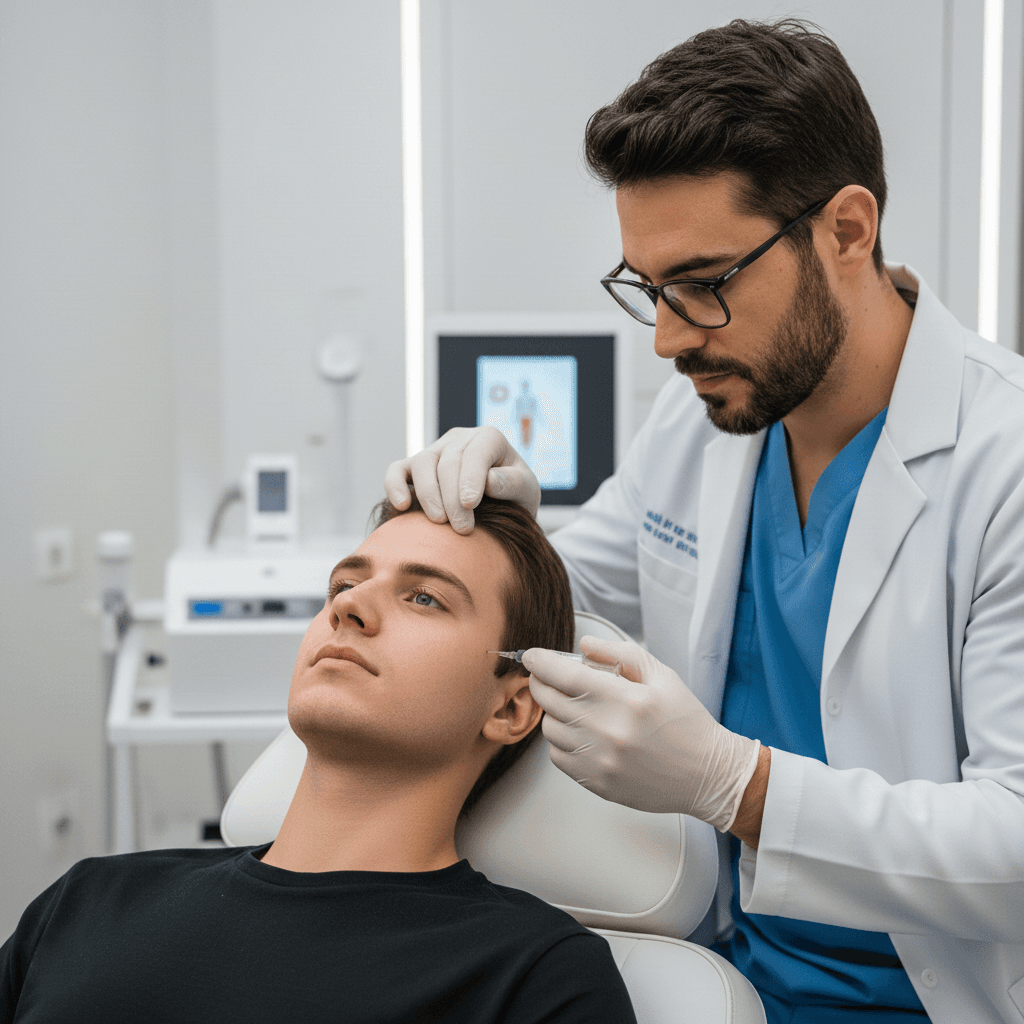
Polynucleotides treatment in a clinical setting

Quick Facts

Injectable

Cost Range

€250–€450 per session

Treatment Time

20-40 minutes

Pain Level

Low (1-2/5) — fine needle injections with topical anaesthetic

Recovery Time

Minimal — small injection bumps and redness for 24-48 hours

Results Last

6-12 months

Time to Results

2-4 weeks for initial improvement; progressive over 2-3 months as tissue repair occurs

Sessions Needed

2-3 sessions 3-4 weeks apart, then maintenance every 6-12 months

Educational content only: This page summarises publicly available information for educational purposes and is not medical advice. SafeSkin does not recommend any specific practitioner, clinic, product, or treatment. Individual results vary. Always consult a registered healthcare professional before any treatment decision. See our full disclaimer.

What Are Polynucleotides?

Polynucleotide therapy is one of the newest and most promising treatments to arrive in the Irish aesthetic market. Based on decades of medical research into tissue regeneration and wound healing, polynucleotides represent a fundamentally different approach to skin rejuvenation, one that works with your body's own biology to repair, regenerate, and revitalise the skin from within.

Polynucleotides, specifically PDRN (polydeoxyribonucleotide), are short, purified chains of nucleotides, the basic building blocks of all DNA, derived from salmon or trout DNA. They do not contain any genetic information or living material. When injected into the skin, these fragments activate a cascade of biological processes that stimulate fibroblast activity, promote collagen and elastin production, improve cellular turnover, and enhance tissue hydration. The result is skin with measurably improved structure and function, not just appearance.

In Ireland, polynucleotide treatments have gained rapid popularity since becoming widely available, with clinics across Dublin, Cork, Galway, and other cities now offering brands such as Ameela, Plinest, Nucleofill, and PhilArt. The treatment has generated particular excitement for its effectiveness in the under-eye area, one of the most challenging zones to treat in aesthetics, and for its ability to improve skin quality in ways that complement existing treatments like Profhilo and skin boosters.

What makes polynucleotides particularly compelling is their strong scientific foundation. PDRN has been used in medical settings for over two decades, in wound healing, burns treatment, and tissue repair, before being adapted for aesthetic use. Their application in aesthetic medicine is more recent, with growing clinical experience over the past several years. This gives practitioners and patients greater confidence in both safety and efficacy compared to some newer aesthetic innovations.

Important note: Some salmon-derived polynucleotide products have had their CE Mark withdrawn. Many practitioners have transitioned to trout-derived formulations. When choosing a practitioner, ask which product they use and confirm it holds current CE marking.

How Do Polynucleotide Treatments Work?

Polynucleotides work at a cellular level to stimulate the skin's natural repair and regeneration processes. Research, primarily from wound healing and tissue repair settings, suggests that polynucleotides trigger several beneficial biological responses.

The biological mechanism:

When PDRN fragments are injected into the dermis, they bind to adenosine A2A receptors on cell surfaces. This triggers a series of responses:

  • Fibroblast stimulation: Fibroblasts are the cells responsible for producing collagen, elastin, and other components of the skin's structural matrix. PDRN stimulates these cells to become more active, increasing the production of new structural proteins.
  • Anti-inflammatory action: By activating the A2A receptor pathway, polynucleotides reduce chronic low-grade inflammation, a key driver of skin ageing (sometimes called "inflammageing").
  • Improved microcirculation: PDRN promotes the formation of new blood vessels (angiogenesis), improving blood supply and nutrient delivery to the treated tissue.
  • Enhanced hydration: Polynucleotides have water-attracting properties that help improve tissue hydration, though through a different mechanism than hyaluronic acid.
  • Antioxidant scavenging: The treatment helps neutralise free radicals that contribute to cellular damage and premature ageing.

The treatment process:

  1. Consultation: Your practitioner assesses your skin, discusses your concerns, and determines the most appropriate product and protocol for your needs.

  2. Preparation: The treatment area is cleansed and a topical anaesthetic cream is applied 20–30 minutes before the procedure.

  3. Injection: Using a fine needle or cannula, the polynucleotide product is injected into the dermal layer of the skin. Injection techniques vary by area, the under-eye area typically uses a cannula for safety and comfort, while broader facial rejuvenation may use multiple small needle injections.

Under-eye treatments: The under-eye area is one of the most popular applications for polynucleotides. However, this delicate area requires particular expertise due to the thin skin and complex anatomy. Always ensure your practitioner has specific periorbital injection experience and is comfortable treating the under-eye area.

  1. Post-treatment: A soothing product may be applied. The entire procedure takes approximately 20 to 40 minutes.

Results develop gradually over 4 to 6 weeks as the biological processes stimulated by the treatment take effect. Most patients notice progressive improvement in skin texture, firmness, hydration, and overall quality over this period.

What to Expect

Before Your Treatment

Avoid ibuprofen, alcohol, and omega-3 supplements for 48 hours beforehand. No retinoids for 3 days. Come with clean, makeup-free skin. Inform your practitioner of all medications, supplements, and any fish or seafood allergies.

During Your Treatment

The polynucleotide solution is injected into targeted areas using a fine needle or cannula. The under-eye area typically uses a cannula for safety and comfort. The procedure takes approximately 20 to 40 minutes depending on the areas treated. Topical anaesthetic cream is usually applied before the procedure.

After Your Treatment

Mild swelling for 24 to 48 hours is normal. Avoid heat, strenuous exercise, and makeup for 24 hours. Results develop gradually over 4 to 8 weeks as the biological processes take effect. A course of 2 to 3 sessions is typically recommended.

Who Is It Suitable For?

Ideal Candidates

  • Under-eye dark circles and hollowing
  • Ageing skin needing regeneration
  • Acne scarring and texture issues
  • Those wanting natural bio-stimulation

Who Should Avoid

  • Pregnant or breastfeeding women
  • Active infection at treatment site
  • Known fish allergy — discuss with practitioner as extensive purification removes proteins
  • Active autoimmune conditions affecting the treatment area (discuss with your practitioner)

How Much Do Polynucleotide Treatments Cost in Ireland?

Polynucleotide treatments in Ireland are priced as a premium regenerative treatment, reflecting the quality of the products and the expertise required for safe, effective delivery. Here is a general pricing guide:

  • Under-eye area: €250–€400 per syringe
  • Face and neck: €250–€400 per syringe (typically requires more than one syringe depending on the treatment area)

A standard course of 2 to 3 sessions, spaced 3 to 4 weeks apart, brings the total investment to approximately €500 to €1,350 depending on the areas treated. Many clinics offer package pricing for a full course, which can reduce the per-session cost.

Maintenance sessions are typically recommended every 6 to 12 months, costing the same as a single session. Some patients choose to alternate polynucleotide treatments with Profhilo or skin booster sessions, creating a rotating programme that addresses both hydration and regeneration.

Prices can vary depending on the specific product used, the size and concentration of the syringes, and the practitioner's experience. Ask your practitioner which product they use, confirm it holds current CE marking, and why they have chosen it.

Benefits and Risks

Key Benefits

  • Stimulates tissue regeneration
  • Improves skin thickness and elasticity
  • Effective for delicate under-eye area
  • Natural biological mechanism
  • Long-lasting results

Potential Risks

  • Swelling at injection sites (48 hrs)
  • Mild bruising
  • Temporary redness
  • Rare small nodules at injection sites (usually self-resolving)
  • Multiple sessions needed for best results

Polynucleotides vs Alternative Treatments

TreatmentBest ForDuration of ResultsPrice Range (Ireland)Mechanism
Polynucleotides (PDRN)Deep skin regeneration, under-eye rejuvenation6–12 months€250–€450/sessionCellular repair via DNA fragments
ProfhiloBio-remodelling, hydration, skin laxity6–9 months€250–€450/sessionHyaluronic acid bio-remodelling
Skin BoostersDeep hydration, radiance4–9 months€200–€400/sessionHyaluronic acid hydration
MesotherapyCustomised skin nourishment, glow6–12 months€150–€400/sessionVitamin/mineral microinjections
PRP TherapyNatural rejuvenation using own blood6–12 months€300–€600/sessionGrowth factors from platelets

Polynucleotides work through a distinct biological pathway, stimulating cellular repair via the A2A receptor, rather than the hydration-driven remodelling of hyaluronic acid treatments. These two approaches are complementary. Unlike PRP, which uses your own blood's growth factors, polynucleotides deliver a standardised, consistent dose of bioactive DNA fragments. Many practitioners now view polynucleotides and Profhilo as complementary treatments and recommend alternating between them for comprehensive skin rejuvenation.

How to Choose a Provider in Ireland

As polynucleotides are one of the newest treatments in the Irish aesthetic market. It is particularly important to choose a practitioner who has specific training and experience with these products.

What to look for:

  • A medical doctor registered with the Medical Council of Ireland, a dentist registered with the Dental Council, or a nurse registered with NMBI
  • Specific training in polynucleotide therapy, ask about their training, which products they use, and how many patients they have treated
  • Experience treating your area of concern. Particularly important for the delicate under-eye area
  • Use of reputable, CE-marked polynucleotide brands (Ameela, Plinest, Nucleofill, PhilArt)
  • A thorough consultation including skin assessment and discussion of realistic expectations

Red flags:

  • Practitioners without appropriate medical registration
  • No specific training in polynucleotide therapy or injection techniques
  • Unable to name the specific product they use
  • No consultation before treatment
  • Promising dramatic or immediate results (polynucleotide results develop gradually over weeks)
  • Very low pricing that may indicate use of unverified or counterfeit products
  • No discussion of risks, aftercare, or follow-up

Questions to ask:

  • Which polynucleotide product do you use and why?
  • How many polynucleotide treatments have you performed?
  • Do you have specific training in periorbital injection if treating the under-eye area?
  • What results can I realistically expect and over what timeframe?
  • Can I see before-and-after photos of patients you have treated with polynucleotides?
  • How do polynucleotides compare with or complement the other skin treatments you offer?

SafeSkin.ie verifies that all listed practitioners hold current registration with their relevant professional body. Search for verified clinics on SafeSkin.ie to find a qualified polynucleotide provider near you.

Looking for Polynucleotides?

Every practitioner on SafeSkin is register-checked with the Medical Council of Ireland, the Dental Council, or NMBI. Find a qualified professional near you.

Search Verified Clinics

Frequently Asked Questions About Polynucleotides