
Skin Concern

Dark Circles Treatments in Ireland

Discolouration and shadowing beneath the eyes.

Last updated: 29 March 2026

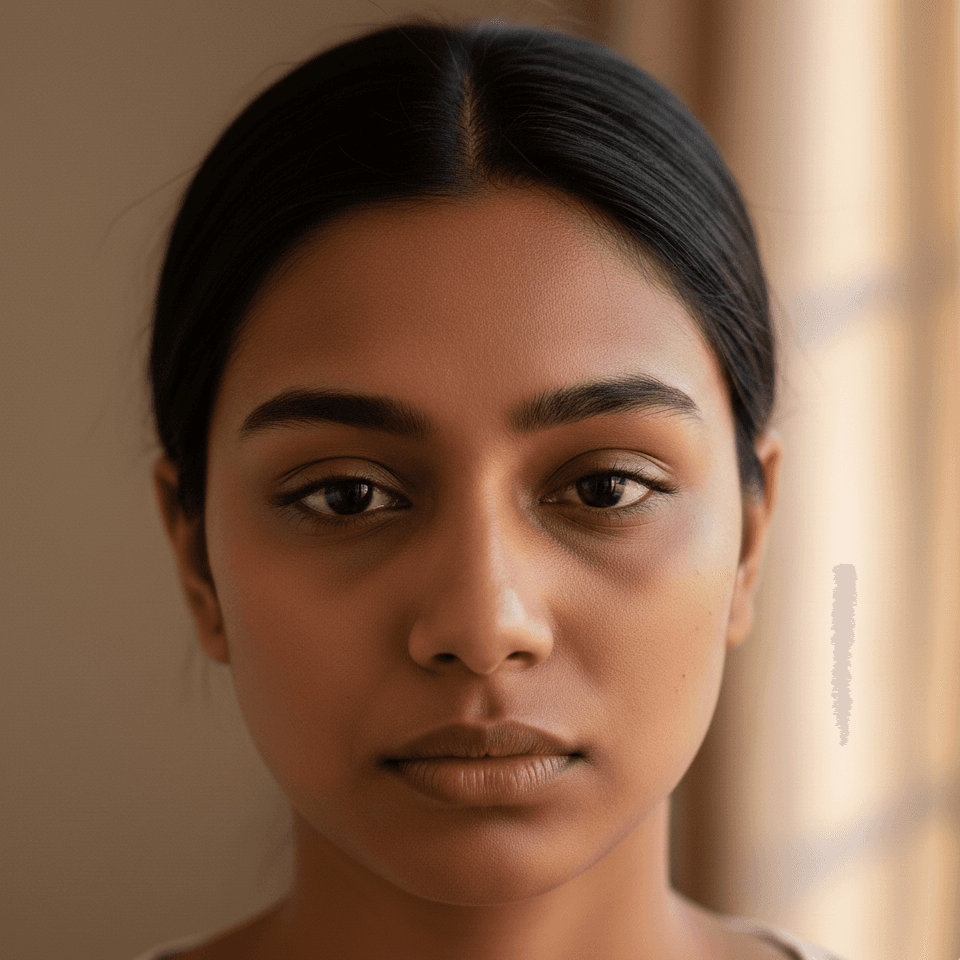
Visual representation of dark circles

Quick Facts

Common Causes

Genetics, thin under-eye skin, fatigue, ageing, allergies, pigmentation

Most Affected

All ages, often hereditary, worsens with ageing

Severity Range

Mild shadowing to deep, persistent discolouration with hollowing

Recommended First Step

Professional assessment to identify the underlying cause

Find a Clinic

Educational content only: This page summarises publicly available information for educational purposes and is not medical advice. SafeSkin does not recommend any specific practitioner, clinic, product, or treatment. Individual results vary. Always consult a registered healthcare professional before any treatment decision. See our full disclaimer.

Understanding Dark Circles

Dark circles — medically referred to as periorbital hyperpigmentation or periorbital dark circles — are one of the most common cosmetic concerns worldwide and one of the most frequent complaints heard in aesthetic clinics across Ireland. They present as darkened areas beneath the eyes, ranging from subtle shadowing to deep, persistent discolouration that can make a person look tired, unwell, or older than they are.

The under-eye area is uniquely vulnerable to visible darkness for several anatomical reasons. The skin beneath the eyes is the thinnest skin on the entire body — approximately 0.5mm thick compared to 2mm on most of the face. This extremely thin skin sits over a complex network of blood vessels, and any changes in circulation, pigmentation, skin thickness, or underlying volume are immediately visible.

Dark circles are remarkably prevalent in Ireland. While comprehensive epidemiological data specific to the Irish population is limited, clinical experience and global studies suggest that the vast majority of adults will experience noticeable dark circles at some point. Factors particularly relevant to the Irish context include the prevalence of fair, thin skin (which makes underlying vessels more visible), the high rates of allergies and hay fever (which cause vascular congestion), Ireland's limited sunlight exposure affecting sleep-wake cycles, and the common combination of screen-heavy work, disrupted sleep patterns, and indoor heating.

What makes dark circles particularly frustrating is that they often resist simple solutions. Over-the-counter eye creams, while heavily marketed, rarely deliver meaningful improvement because they cannot address the underlying structural, vascular, or pigmentary causes. Effective treatment requires first identifying the specific type and cause of the dark circles, then applying targeted treatments accordingly.

The positive development is that the aesthetic treatment landscape for dark circles has expanded significantly in recent years. From advanced dermal fillers for volume loss and hollowing, to PRP therapy for skin quality improvement, to sophisticated topical treatments for pigmentation, there are now effective options for virtually every type of dark circle.

What Causes Dark Circles?

Dark circles are almost always multifactorial — meaning several causes contribute simultaneously. Understanding the specific factors affecting you is the first step toward effective treatment.

Genetics are the single most influential factor. If your parents or close relatives have dark circles, you are significantly more likely to develop them. Inherited factors include the thickness of your under-eye skin, the density of blood vessels beneath the eyes, your propensity for periorbital pigmentation, the shape and depth of your eye socket, and the distribution of fat pads around the eye.

Thin skin and vascular visibility account for the bluish-purple type of dark circle that is extremely common in fair-skinned Irish people. The under-eye skin is already the thinnest on the body, and in some individuals it is thin enough for the underlying network of blood vessels to show through clearly. This creates a dark, bluish-purple appearance that worsens with fatigue, dehydration, or any factor that increases blood vessel dilation.

Volume loss and hollowing become increasingly significant from the mid-thirties onwards. The fat pads that support the under-eye area naturally diminish with age, and the bone beneath them resorbs over time. This creates hollows (tear troughs) that cast shadows, producing the appearance of dark circles even without any pigmentation changes. This mechanism is closely related to under-eye hollowness and general loss of facial volume.

Hyperpigmentation — excess melanin production in the under-eye skin — creates a brownish dark circle. This type is more common in people with darker skin tones but can affect anyone. Contributing factors include sun exposure (UV radiation stimulates melanin production), post-inflammatory hyperpigmentation from eczema or allergic reactions, and hormonal changes.

Allergies and nasal congestion cause a specific type of dark circle known as "allergic shiners." Nasal congestion impedes blood flow from the area around the eyes, causing venous pooling and dilation of blood vessels beneath the thin under-eye skin. This is particularly relevant in Ireland, where hay fever and allergic rhinitis are common, and where damp, poorly ventilated housing can harbour dust mites and mould.

Fatigue and lifestyle factors worsen dark circles through multiple mechanisms. Poor sleep increases blood vessel dilation and fluid retention, making vessels more visible through thin skin. Dehydration reduces skin plumpness and makes hollows more prominent. Excessive screen time causes eye strain and increased blood flow to the periorbital area. Smoking accelerates collagen loss, thins the skin further, and impairs circulation.

Ageing contributes through several combined mechanisms: progressive thinning of the already-thin under-eye skin, loss of collagen and elastin reducing skin opacity, fat pad descent and volume loss creating hollows and shadows, and bone resorption deepening the eye socket.

Types and Severity Levels

Identifying your specific type of dark circle is crucial for selecting effective treatment, as different types require fundamentally different approaches.

Vascular dark circles appear blue, purple, or pink and are caused by visible blood vessels beneath thin skin. They are the most common type in fair-skinned Irish people. These circles tend to worsen with fatigue, cold weather, and allergies, and improve somewhat with rest and gentle pressure. They are most visible in natural light.

Pigmented dark circles appear brown, dark brown, or grey-brown and result from excess melanin deposition in the under-eye skin. They are consistent regardless of sleep or lifestyle factors and do not change significantly with rest. They may have a diffuse quality or follow specific patterns (often most concentrated along the lower orbital rim).

Structural dark circles are caused by shadows rather than discolouration. Volume loss creates a hollow (tear trough) between the lower eyelid and the cheek that casts a shadow, giving the appearance of darkness. These "circles" follow the contour of the tear trough and are most noticeable in overhead or angled lighting. They may be accompanied by visible puffiness above or below the hollow.

Mixed-type dark circles are the most common presentation in clinical practice. Most people have a combination of vascular visibility, some degree of volume loss, and possibly some pigmentation contributing to their dark circles simultaneously. Effective treatment typically needs to address multiple contributing factors.

Severity is typically described as:

  • Mild: Slight shadowing visible mainly when tired or in certain lighting; easily concealed with makeup
  • Moderate: Consistently visible discolouration or hollowing; requires significant concealer; noticeable to others
  • Severe: Deep, persistent darkness or hollowing; resistant to concealer; significantly affects appearance; may be accompanied by puffiness, crepey skin, or visible malar festoons

Treatment Options Available in Ireland

Irish clinics offer a comprehensive range of treatments targeting the different causes of dark circles. The most effective approach typically combines multiple treatments.

Medical-grade eye care products form the foundation of any dark circle treatment plan. Active ingredients with evidence for dark circle improvement include retinol (stimulates collagen, thickens skin, improves pigmentation), vitamin C (brightening, antioxidant protection, collagen support), vitamin K (may help reduce vascular dark circles by strengthening capillary walls), caffeine (constricts blood vessels, reduces puffiness), peptides (support collagen production and skin firmness), and niacinamide (improves skin barrier, reduces pigmentation). Medical-grade skincare delivers these ingredients at effective concentrations for meaningful improvement.

Tear trough filler is the most effective single treatment for structural (shadow-based) dark circles caused by volume loss. A small amount of hyaluronic acid dermal filler is carefully injected along the tear trough to restore volume, eliminate the shadow, and create a smooth transition between the lower eyelid and the cheek. This is an advanced procedure that should only be performed by experienced practitioners with thorough anatomical knowledge.

PRP (Platelet-Rich Plasma) therapy uses your own concentrated growth factors, injected into the under-eye area, to stimulate collagen production, improve skin thickness and quality, and enhance the microcirculation. PRP therapy is particularly beneficial for vascular dark circles and thin, crepey under-eye skin. Results develop gradually over 2 to 3 months, and most people benefit from a course of 2 to 3 sessions.

Polynucleotide treatments are a newer option gaining popularity in Ireland for under-eye rejuvenation. Polynucleotides stimulate fibroblast activity, improve skin thickness and elasticity, and promote tissue regeneration. They can be particularly effective for the delicate under-eye area where skin quality is a primary concern.

Chemical peels formulated specifically for the periorbital area can help reduce pigmented dark circles. Gentle chemical peels containing glycolic acid, lactic acid, or a combination approach can improve pigmentation, stimulate mild collagen production, and brighten the under-eye skin. Multiple sessions are typically required.

Skin boosters such as Profhilo and other skin booster treatments can improve overall under-eye skin quality, hydration, and luminosity. While not specifically targeting dark circles, the improvement in skin quality can contribute to a brighter, more refreshed appearance.

LED light therapy and gentle laser treatments may be used to target pigmentation, stimulate collagen, and improve vascular congestion in the under-eye area, depending on the specific cause and severity.

Treatment Comparison for Dark Circles

TreatmentTypeDowntimeCost RangeResults Last
Dermal Fillers (Tear Trough)Injectable3-7 daysEUR 350-6009-18 monthsLearn more →
PRP TherapyInjectable1-2 daysEUR 300-6006-12 monthsLearn more →
PolynucleotidesInjectable1-2 daysEUR 250-5006-9 monthsLearn more →
Chemical PeelsNon-injectable3-5 daysEUR 80-250CumulativeLearn more →
Medical-Grade SkincareNon-injectableNoneEUR 50-200OngoingLearn more →

Choosing the Right Treatment

Selecting the most effective treatment begins with accurately identifying the type and cause of your dark circles.

For vascular (blue-purple) dark circles, the priority is improving skin thickness and reducing vessel visibility. PRP therapy and polynucleotide treatments can thicken the skin and improve quality. Medical-grade skincare with retinol and vitamin K supports ongoing improvement. If volume loss is also contributing, tear trough filler may be combined with skin-quality treatments.

For pigmented (brown) dark circles, targeted depigmenting treatments are needed. Medical-grade skincare with vitamin C, niacinamide, and retinol addresses melanin production. Gentle chemical peels can help reduce pigment accumulation. Sun protection is absolutely essential — any pigmentation treatment will be undermined by UV exposure.

For structural (shadow-based) dark circles, volume restoration is the key. Tear trough dermal filler is the most effective approach for eliminating shadow-based darkness. This may be combined with cheek augmentation if midface volume loss is contributing to the tear trough depth.

For mixed-type dark circles (the most common scenario), a combination approach delivers the best results. A typical treatment plan might include tear trough filler for structural correction, PRP or polynucleotide therapy for skin quality improvement, medical-grade skincare for daily maintenance, and sun protection to prevent pigmentation.

When choosing a practitioner, the under-eye area demands particular expertise. The anatomy is complex, the skin is unforgiving of errors, and the margin for aesthetic precision is narrow. Look for practitioners who regularly treat under-eye concerns, who can clearly explain the anatomy and risks, and who take a conservative, staged approach. Avoid practitioners who offer one-size-fits-all solutions without thorough assessment. You can find a verified clinic near you through the SafeSkin directory.

Questions to ask during your consultation: What type of dark circles do I have? What is causing them? What treatment or combination of treatments do you recommend and why? What are the risks specific to under-eye treatments? How many sessions will I need? What results can I realistically expect?

Prevention and Self-Care

While genetics and ageing cannot be fully prevented, several daily habits can significantly reduce the severity of dark circles and slow their progression.

Protect the under-eye area from sun exposure. UV radiation thins the skin, degrades collagen, and stimulates pigmentation — all of which worsen dark circles. Wear SPF 30 to 50 daily, including on the under-eye area (use a gentle, eye-safe formulation). Wear sunglasses whenever possible — they protect both the under-eye skin and the eyes themselves from UV damage and reduce squinting.

Prioritise quality sleep. Aim for 7 to 9 hours of sleep per night, maintain a consistent sleep schedule, and optimise your sleep environment (cool, dark, quiet). Elevate your head slightly with an extra pillow to reduce fluid accumulation around the eyes overnight. Ireland's northern latitude means significant seasonal variation in daylight — using a light therapy lamp in winter mornings can help regulate circadian rhythms.

Stay well hydrated. Dehydration makes the under-eye skin appear sunken and more translucent, emphasising dark circles. Aim for 1.5 to 2 litres of water daily. Limit excessive caffeine and alcohol consumption, both of which contribute to dehydration.

Manage allergies proactively. If allergies contribute to your dark circles, work with your GP or pharmacist to find an effective antihistamine regimen. Keep your home environment clean and well-ventilated, particularly in bedrooms. Address any hay fever, dust mite allergy, or other allergic conditions rather than simply enduring the symptoms.

Use a dedicated eye cream or serum consistently. The under-eye area benefits from targeted products formulated for thin, delicate skin. Apply morning and evening as part of your routine. Look for products containing caffeine (for morning use — reduces puffiness and vascular congestion), retinol (for evening use — stimulates collagen, thickens skin), and vitamin C (antioxidant protection and brightening).

Reduce eye strain. Follow the 20-20-20 rule when using screens: every 20 minutes, look at something 20 feet away for 20 seconds. Adjust screen brightness and consider blue-light filtering glasses. Eye strain increases blood flow to the periorbital area, worsening vascular dark circles.

Adopt gentle skincare habits around the eyes. Never rub or tug at the under-eye skin. Apply products using your ring finger (the weakest finger) with gentle patting motions. Remove eye makeup with a dedicated, gentle remover rather than rubbing with cleanser or wipes.

When to Seek Professional Help

Certain situations indicate that professional assessment and treatment would be beneficial.

Seek professional advice if your dark circles are persistent and do not improve with lifestyle changes and over-the-counter products. If you have been using appropriate skincare consistently for 3 months or more without meaningful improvement, professional treatments can offer the step-change in results that topical products alone cannot provide.

Consult a practitioner if volume loss or hollowing is evident. If you can see a visible hollow or groove beneath your eyes (the tear trough), topical products will not address this structural concern. Dermal filler or volume-restoring treatments are needed to correct shadow-based dark circles.

See a professional if your dark circles are significantly affecting your confidence or quality of life. The psychological impact of persistent under-eye darkness is real — many people report feeling self-conscious, constantly being asked if they are tired or unwell, and spending significant time and money on concealers that only partially help. Professional treatment can provide lasting improvement that restores confidence.

Consult your GP if dark circles have appeared suddenly or worsened dramatically, particularly if accompanied by fatigue, weight changes, swelling, or other symptoms. While dark circles are usually a cosmetic concern, sudden onset may occasionally indicate an underlying medical condition such as anaemia, thyroid dysfunction, or allergic disease that warrants investigation.

Seek specialist advice if you have dark circles with persistent puffiness or fluid retention that does not resolve with lifestyle changes. This combination may indicate venous or lymphatic congestion that benefits from targeted professional treatment.

In Ireland, many verified aesthetic clinics offer comprehensive under-eye assessment and treatment. You can find a verified clinic near you through the SafeSkin directory to book a consultation with a qualified practitioner.

What to Expect from Treatment

Dark circle treatment is a journey that benefits from patience and realistic expectations.

During your consultation, an experienced practitioner will assess your dark circles in detail — examining the colour, depth, skin quality, volume, and anatomy of your under-eye area. They may use specific lighting conditions to distinguish between vascular, pigmented, and structural components. They will discuss your medical history, allergies, sleep habits, and skincare routine. Based on this assessment, they will explain which factors are contributing to your dark circles and recommend a tailored treatment plan.

Treatment timelines vary significantly depending on the approach. Tear trough filler provides immediate visible improvement (allowing for initial swelling), with the final result apparent at 2 weeks. PRP and polynucleotide treatments produce gradual improvement over 2 to 3 months as collagen and skin quality improve. Medical-grade skincare shows results over 8 to 12 weeks of consistent use. Most comprehensive treatment plans combine immediate and gradual-onset treatments for the best overall outcome.

Manage your expectations carefully. Dark circles can be significantly improved in the vast majority of cases, but complete elimination is not always possible, particularly when genetics and skin anatomy are primary factors. Your practitioner should be honest about what degree of improvement is realistic for your specific situation. Be cautious of any practitioner who promises to completely eliminate your dark circles.

Downtime varies by treatment. Tear trough filler may cause bruising and swelling for 5 to 10 days (the under-eye area bruises more easily than most facial areas). PRP treatments involve minor swelling and possible bruising for 2 to 5 days. Chemical peels may cause mild flaking and sensitivity for a few days. Medical-grade skincare may cause a brief adjustment period with mild dryness or sensitivity.

Maintenance is part of the plan. Tear trough filler typically requires repeat treatment every 9 to 18 months. PRP and polynucleotide treatments benefit from annual maintenance sessions. Medical-grade skincare is an ongoing daily commitment. Sun protection is a lifelong requirement to prevent dark circles from worsening.

Results are cumulative across treatment types. The combination of structural correction (filler), skin quality improvement (PRP, polynucleotides, skincare), and daily protection (SPF, lifestyle habits) delivers results greater than any single treatment alone. Be prepared for a multi-step journey to your best possible under-eye appearance, and communicate openly with your practitioner throughout the process. If you are ready to address your dark circles, find a verified clinic near you and take the first step.

Looking to treat dark circles?

Every practitioner on SafeSkin is register-checked with the Medical Council of Ireland, the Dental Council, or NMBI. Find a qualified professional near you.

Search Verified Clinics

Frequently Asked Questions About Dark Circles

Treatments for Dark Circles