
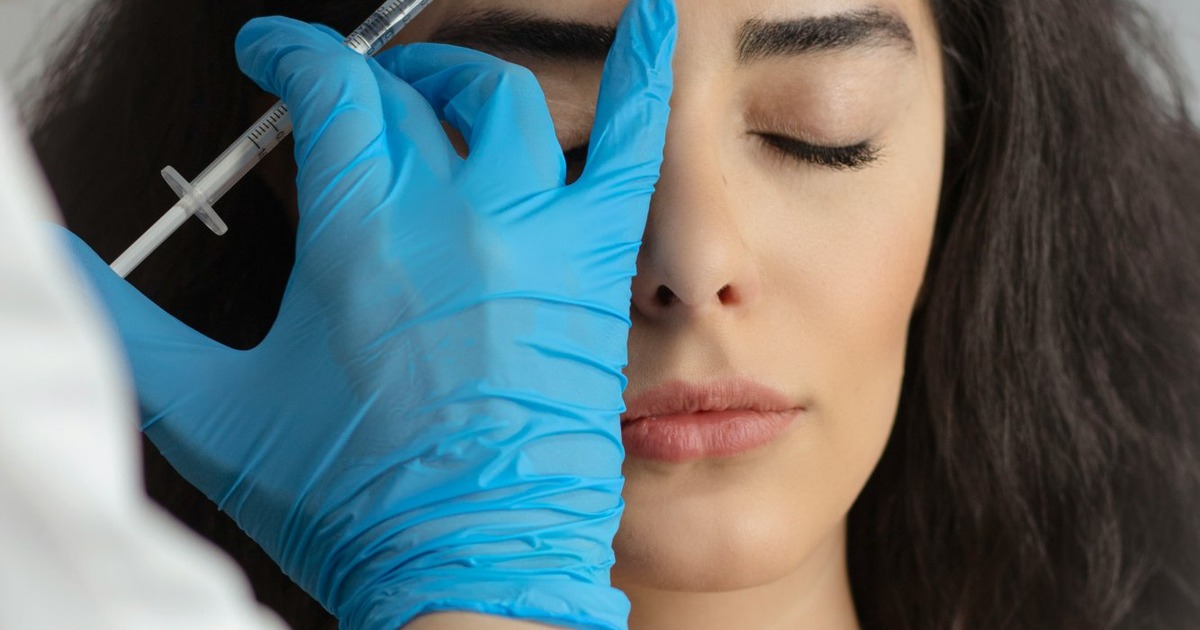
Anti-wrinkle injections are the most popular aesthetic treatment in Ireland, and if you are considering this treatment, you almost certainly want to know what it will cost, what to expect, and how to choose the right practitioner.
This guide is designed to answer all of those questions honestly. We are not here to sell you on a particular clinic or push you toward the cheapest option. Our aim is to give you the information you need to make a confident, informed decision.
What are anti-wrinkle injections?
Anti-wrinkle injections use a prescription medicine called botulinum toxin to temporarily relax specific facial muscles. When these muscles relax, the skin above them smooths out, reducing the appearance of lines and wrinkles caused by repeated facial movements or expressions.
The treatment is most commonly used on three areas of the upper face: horizontal forehead lines, frown lines between the eyebrows (sometimes called the "elevens" or glabellar lines), and crow's feet around the eyes.
It can also be used for a range of other purposes, including a lip flip, gummy smile correction, jawline slimming (masseter treatment), neck bands, and the treatment of excessive sweating (hyperhidrosis).
Botulinum toxin is sold under several brand names, including Botox (Allergan), Azzalure (Galderma), and Bocouture (Merz). All contain the same active ingredient and work in the same way. The brand used may vary between clinics, but all are CE-marked and regulated.
It is worth understanding the distinction between anti-wrinkle injections and dermal fillers. They are different treatments that work in different ways.
Anti-wrinkle injections relax muscles to smooth dynamic lines. Dermal fillers add volume to areas of the face that have lost fullness, and can also be used to smooth static lines - ones which are visible even when your face is at rest. Many people benefit from both, but they are not interchangeable.
How much do anti-wrinkle injections cost in Ireland?
Pricing varies across the Irish market depending on the clinic, the practitioner's experience, the brand of product used, and the number of areas treated. Based on current pricing from clinics across Ireland, here is what you can expect.
For a single area - such as the forehead, frown lines, or crow's feet alone - prices typically range from around €150 to €350. Some larger chains offer entry-level pricing from approximately €149 for one area, while doctor-led clinics with extensive experience may charge €300 or more for the same treatment.
Two areas typically range from €250 to €400. Three areas - the most commonly booked package - typically range from €300 to €450. Some clinics include a fourth area (such as bunny lines or a lip flip) within their three-area package at no additional cost.
Specialist treatments that use anti-wrinkle injections but target different areas tend to cost more.
Masseter treatment for jaw clenching or facial slimming typically ranges from €350 to €500.
A Nefertiti neck lift, which targets neck bands and the jawline, can range from €400 to €800 depending on the practitioner and the number of units required.
Hyperhidrosis treatment for excessive underarm sweating typically starts from €500 and can reach €700 or more, as it requires significantly higher doses.
You can use our cost calculator to estimate what your treatment might cost based on the areas you are considering.
What drives the price difference?
If one clinic charges €149 for one area and another charges €350, the natural question is: why? The price difference typically comes down to several factors, and understanding them helps you evaluate whether a lower price represents genuine value or a potential compromise.
The practitioner's qualifications and experience are the most significant factor. A doctor with years of dedicated aesthetic experience, advanced training, and a deep understanding of facial anatomy will typically charge more than a practitioner who is newer to aesthetics.
This is not about prestige, it is about skill, judgement, and the ability to handle complications if they arise.
The brand and quality of product also matters.
All regulated botulinum toxin products work on the same principle, but clinics source their products through different supply chains. The HPRA has warned that counterfeit products exist on the European market. A clinic using genuine, properly stored, CE-marked product from an authorised supplier will reflect that in their pricing.
The number of units used affects results and cost. Botulinum toxin is measured in units, and the number of units needed varies by treatment area, muscle strength, gender (men typically require more units due to stronger facial muscles), and desired outcome.
Some clinics price per unit; others price per area. When comparing prices, it is worth asking how many units are included in the quoted price as a cheaper per-area price with fewer units may deliver a weaker result.
Consultation, follow-up, and aftercare are included by some clinics and charged separately by others. A reputable clinic will typically include a consultation, a two-week review appointment, and a top-up if needed within their price. If a price seems low, check whether these are included or whether they come at an additional cost.
Overhead costs such as clinical premises, insurance, and regulatory compliance contribute to pricing. A practitioner operating from a fully equipped, insured clinical environment will have higher costs than one working from a non-clinical setting - and such settings should certainly be avoided.
A note on very low prices
If a price seems significantly lower than the ranges above, it is worth pausing and asking why.
The Medical Council has stated that the administration of botulinum toxin by unqualified individuals is "illegal, unsafe and unacceptable." In July 2025, the HPRA issued a safety alert following adverse reactions in the UK linked to the use of unlicensed products by unregistered providers.
Very low pricing can indicate the use of non-genuine or improperly stored product, inadequate dosing (using fewer units to reduce cost, which compromises results), an unregistered practitioner without the qualifications or insurance to administer the treatment safely, or the absence of proper consultation and follow-up care.
This does not mean that every affordable option is unsafe. But price should never be the primary factor in choosing a practitioner for an injectable treatment. The cheapest option is not always the best value, particularly when your face is involved.
What to expect: the treatment timeline
Understanding the typical timeline helps set realistic expectations.
At your consultation, your practitioner should assess your facial anatomy, discuss your goals, explain the treatment and its risks, confirm you are a suitable candidate, and obtain informed consent.
This should be a face-to-face appointment, not a phone call or social media exchange. Under Irish law, botulinum toxin is a prescription-only medicine, and a medical professional must be involved in the decision to prescribe it.
The treatment itself takes approximately 10 to 20 minutes, depending on the number of areas treated. A fine needle is used to inject small amounts of botulinum toxin into targeted muscles. Most people describe the sensation as a brief pinch rather than significant pain.
You may notice some mild redness or small bumps at the injection sites immediately afterwards. These typically resolve within a few hours. You can return to normal activities straight away, though most practitioners recommend avoiding strenuous exercise, lying flat, and rubbing the treated areas for the first 24 hours.
Initial results typically appear within three to five days, with the full effect visible at around 10 to 14 days. If you are planning treatment ahead of a specific event, book at least two weeks in advance.
Results typically last three to four months. As the effect wears off, muscle movement gradually returns and lines will reappear. With regular treatments over time, some people find that results begin to last longer, as the muscles become trained to contract less forcefully. Your practitioner can advise on the right maintenance schedule for your needs.
A follow-up review at two weeks is standard good practice. This is when your practitioner assesses the result and administers a small top-up if any asymmetry or residual movement needs addressing. If your clinic does not offer a review, that is worth questioning.
Who can legally administer anti-wrinkle injections in Ireland?
This is not a grey area. Under the Medicinal Products (Prescription and Control of Supply) Regulations, botulinum toxin may only be prescribed by a registered doctor or registered dentist. It may also be administered by a registered nurse acting in accordance with the directions of a doctor or dentist.
Administration by anyone outside these categories, regardless of what courses or certificates they may hold, is illegal. You can read more about the regulatory landscape in our guide to aesthetic regulation in Ireland.
Before booking, verify your practitioner's registration on the Medical Council register, the Dental Council register, or the NMBI register. This takes less than two minutes and is the single most reliable check you can perform. You can also search for verified practitioners on SafeSkin, where every listed clinic has been checked against these registers.
For a full guide on what to ask and what to look for, see our article on how to choose a qualified aesthetic practitioner in Ireland.
How to find a verified practitioner
SafeSkin lists verified clinics offering anti-wrinkle injections across Ireland, including dedicated listings for Cork and Dublin.
Every practitioner in our directory has been checked against the Medical Council, Dental Council, or NMBI register. We do not rank clinics or accept payment to influence results - our role is to help you find qualified practitioners near you and give you the information to make your own choice.
You can search for a verified aesthetic practitioner near you or use our cost calculator to estimate treatment costs.
If you are unsure whether anti-wrinkle injections are the right treatment for your concerns, our treatment quiz can help guide you, or you can also compare treatments using our comparison tool.
Medically reviewed by Dr Stephen Creedon
All SafeSkin editorial content is reviewed by a registered medical professional before publication.