
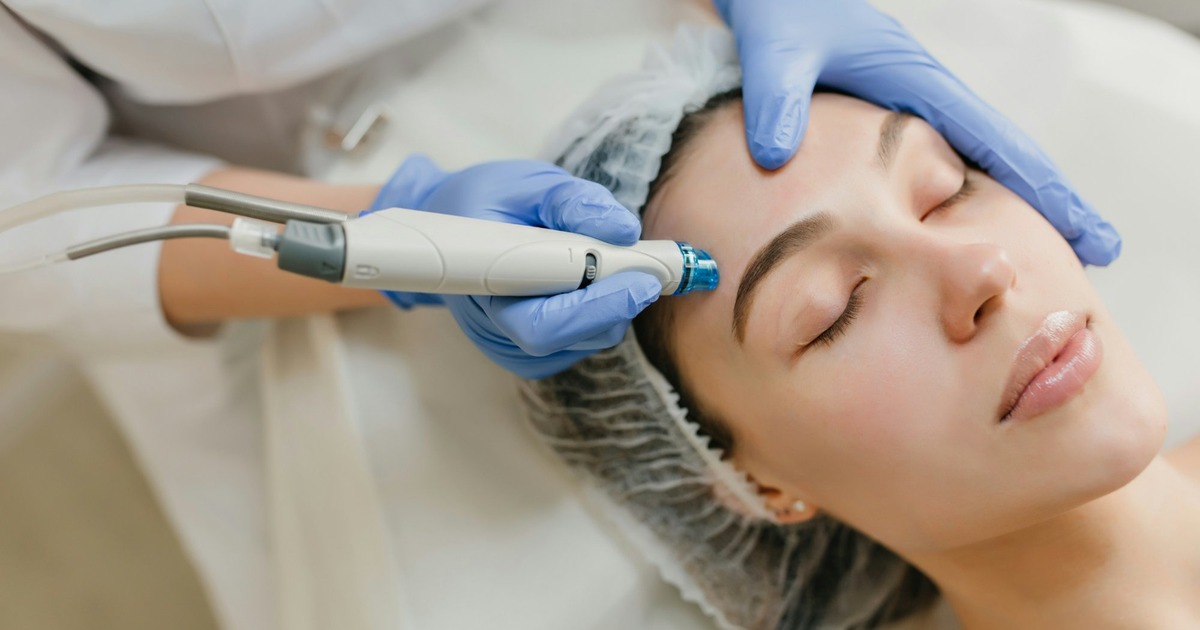
Choosing who performs an aesthetic treatment on your skin can often feel a little daunting. More important than the brand of product used. More important than the price. The person holding the needle can determine your sense of safety, your results, and your recourse if something goes wrong.
In Ireland, the aesthetic treatment industry is growing rapidly, but the regulatory framework that governs it has significant gaps.
Some treatments can only be legally administered by registered medical professionals. Others can be performed by anyone, regardless of training. This guide is designed to help you tell the difference, verify a practitioner's credentials independently, and make an informed decision before you book.
The three professional registers: your starting point
In Ireland, there are three professional registers that are relevant to aesthetic treatments. If your practitioner is on one of these registers, it means they have met the educational, training, and professional standards required by an independent statutory body.
If they are not on any of these registers, they are not a regulated healthcare professional, regardless of what qualifications or certificates they may claim.
The Medical Council of Ireland maintains the register of all doctors legally permitted to practise medicine in Ireland. By law, every doctor must be registered with the Medical Council in order to practise. You can search the register for free at medicalcouncil.ie. A search by name will confirm whether someone is registered, what division of the register they are on, and what their qualifications are.
The Dental Council of Ireland maintains the register of all dentists and dental specialists legally permitted to practise in Ireland. Under the Dentists Act 1985, only dentists listed on the Register of Dentists can legally practise dentistry. Many dentists in Ireland now offer aesthetic treatments, particularly anti-wrinkle injections and dermal fillers, as an extension of their facial anatomy expertise.
The Nursing and Midwifery Board of Ireland (NMBI) maintains the register of all nurses and midwives in Ireland. The register updates in real time and shows each registrant's registration status, expiry date, divisions, and whether any fitness-to-practise conditions are attached. Many aesthetic treatments in Ireland are administered by registered nurses, particularly those with additional training in cosmetic procedures.
Checking these registers takes less than two minutes. It is the single most effective step you can take to protect yourself before booking any aesthetic treatment. If a practitioner is not on any of these three registers, they are not subject to the professional oversight, complaints processes, or fitness-to-practise procedures that exist to protect you.
This is exactly what SafeSkin has done for every clinic in our directory, we check each practitioner against the Medical Council, Dental Council, and NMBI registers so you don't have to. You can search for verified practitioners near you or read more about how our verification process works.
Note: If your clinic has staff on the Medical Council register, the Dental Council register, or the NMBI register but has not been listed, please contact us here.
What registration means, and what it does not
Being on a professional register means a practitioner has met the educational and training requirements for their profession, is subject to a code of professional conduct and ethics, can be held accountable through a formal fitness-to-practise process if standards are not met, and must maintain their registration through ongoing professional development.
What registration does not tell you is whether a practitioner has specific training or experience in aesthetic treatments. A doctor registered with the Medical Council may be a GP, a surgeon, a psychiatrist, or a dermatologist, registration alone does not indicate their area of expertise. The same applies to nurses and dentists. Registration is a necessary foundation, but it is not sufficient on its own. You should also ask about a practitioner's specific aesthetic training, the volume of treatments they perform, and how long they have been practising in this area.
Who can legally administer what in Ireland
The legal position in Ireland differs depending on the type of treatment. Understanding these distinctions is important because they directly affect your level of protection as a patient.
Anti-wrinkle injections (botulinum toxin) are prescription-only medicines. Under the Medicinal Products (Prescription and Control of Supply) Regulations, they may only be prescribed by a registered doctor or registered dentist, and administered by a registered doctor, registered dentist, or a registered nurse acting in accordance with the directions of a doctor or dentist. Administration by anyone outside these categories is illegal. In November 2025, the Medical Council reinforced this position in a formal statement, describing the administration of botulinum toxin by unqualified individuals as "illegal, unsafe and unacceptable."
Dermal fillers are classified as medical devices, not prescription medicines. The products themselves are regulated under the EU Medical Devices Regulation 2017/745, and the HPRA monitors their safety on the Irish market. However, there is currently no regulation in Ireland governing who can administer dermal fillers. This means that anyone, regardless of training, qualifications, or experience, can legally inject dermal fillers. This is a significant gap in the regulatory framework and one that medical professionals in Ireland have been calling to have addressed for over a decade.
Other treatments such as chemical peels, microneedling, laser treatments, and radiofrequency procedures occupy a similar grey area. While these treatments can carry real clinical risks, there is no specific Irish legislation restricting who can perform them.
This regulatory gap makes it all the more important for consumers to verify practitioners independently. When the law does not require a provider to be qualified, the responsibility shifts to you to check. You can read more about the current state of regulation in our article on aesthetic regulation in Ireland.
Red flags: when to walk away
Not every provider offering aesthetic treatments has your best interests at heart. Some warning signs should prompt serious caution or an outright decision to walk away.
If a practitioner cannot or will not tell you their professional registration number, or if they become defensive when you ask about their qualifications, that is a concern. A qualified, confident practitioner will welcome these questions.
Be cautious of prices that seem significantly lower than the market average. In Ireland, anti-wrinkle injections typically range from €150 to €450 depending on the area and practitioner experience.
Dermal fillers generally start from €200 per ml. Prices substantially below these ranges may indicate the use of unregulated products, inadequate training, or both. As the HPRA has warned, fake dermal fillers are present on the EU market and "their safety and quality cannot be assured."
Treatments offered in non-clinical environments - hotel rooms, private homes, pop-up events, or beauty salons without appropriate clinical facilities - should raise questions about infection control, emergency preparedness, and accountability.
If something goes wrong during a treatment, you want to be in a setting where complications can be managed immediately.
Social media should not be your primary method of choosing a practitioner. A polished Instagram feed demonstrates marketing skill, not clinical competence. Heavily filtered before-and-after images can be misleading. The number of followers a practitioner has bears no relationship to their training, experience, or safety record.
High-pressure sales tactics are also not consistent with responsible medical practice. A good practitioner will give you time to consider your options, understand the risks, and make a decision without pressure.
Questions to ask before any aesthetic treatment
Walking into a consultation prepared makes a significant difference. The following questions are ones that any qualified, responsible practitioner will be comfortable answering. Their responses, and their willingness to answer at all, will tell you a great deal.
Ask whether they are registered with the Medical Council, Dental Council, or NMBI, and what their registration number is. Then verify it yourself on the relevant register. This takes less than a minute and is the single most reliable check you can perform.
Ask what specific training they have completed in the treatment you are considering, and how many of these treatments they perform in a typical month. Experience matters, particularly for treatments involving injection near blood vessels, nerves, or the delicate structures around the eyes.
Ask what products they use and where they source them. A reputable practitioner will use CE-marked products from established manufacturers and will be able to tell you the product name, manufacturer, and batch number. They should record this information in your treatment notes so that if a complication arises later, the exact product used can be identified.
Ask what their protocol is if something goes wrong. Complications, while uncommon with qualified practitioners, can occur with any injectable treatment. Vascular occlusion from dermal fillers, for example, requires immediate recognition and management. Ask whether they carry hyaluronidase (the enzyme used to dissolve hyaluronic acid filler in an emergency) and whether they have a documented complications protocol.
Ask whether they carry professional indemnity insurance. This protects both you and the practitioner in the event of an adverse outcome. A practitioner without indemnity insurance is a practitioner without accountability.
Ask about the aftercare process. Will they provide written aftercare instructions? Is there a direct contact number if you have concerns after the treatment? Will they see you for a follow-up review? A practitioner who is invested in your outcome beyond the treatment room is one who takes their work seriously.
How SafeSkin can help
SafeSkin exists because we believe consumers should not have to navigate this landscape alone. Every clinic listed in our directory has been verified against the Medical Council, Dental Council, or NMBI register. When you see a practitioner on SafeSkin, you know that their registration has been independently confirmed.
We do not rank clinics or ever recommend one over another. Our role is to give you access to verified practitioners and the information you need to make your own informed choice.
You can search for a verified aesthetic practitioner near you on SafeSkin, or learn more about how we verify practitioners. If you are not sure which treatment is best for your skin, our treatment quiz can help point you in the right direction.
A practical checklist
Before booking any aesthetic treatment in Ireland, take these steps. Check the practitioner's name on the Medical Council register, the Dental Council register, and the NMBI register. Ask about their specific aesthetic training and experience. Ask what products they use and where they are sourced. Ask about their complications protocol and whether they carry hyaluronidase. Ask whether they hold professional indemnity insurance. Take time to consider your decision, do not proceed under pressure. Trust your instincts: if something feels off, it probably is.
These steps will not eliminate all risk, as no medical or aesthetic treatment is entirely without risk. But they will significantly reduce the likelihood of a poor outcome and ensure that if something does go wrong, you are in the hands of someone qualified to manage it.
Medically reviewed by Dr Stephen Creedon
All SafeSkin editorial content is reviewed by a registered medical professional before publication.