
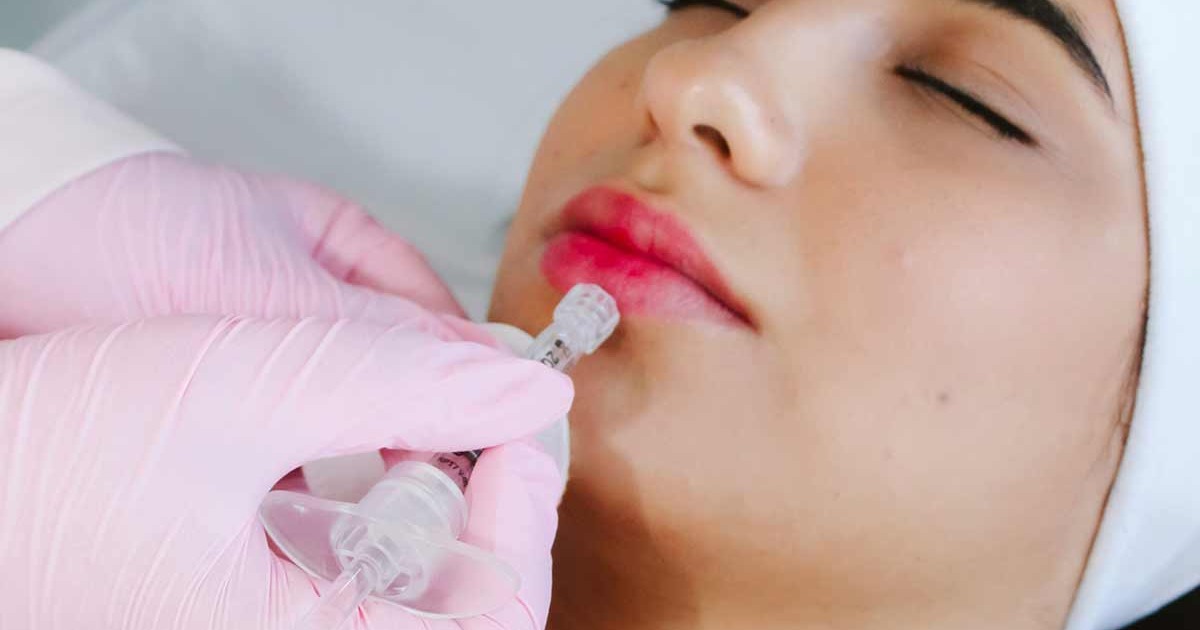
If you have started researching aesthetic treatments in Ireland, you might have noticed that they are offered by a wide range of providers - from consultant plastic surgeons to beauty therapists, and everything in between.
The terminology can be confusing: "aesthetic practitioner," "cosmetic nurse," "advanced aesthetician," "skin specialist." Some of these titles indicate years of medical training. Others indicate a short course and no regulatory oversight at all.
This guide explains the different types of providers in the Irish aesthetics market, what their qualifications mean, and why the distinction matters for your safety.
Our aim is not to demonise any particular group, but to help you understand what you are looking at when you are comparing options, so that you can make an informed choice about who treats you.
The spectrum of providers in Irish aesthetics
In Ireland, aesthetic treatments are offered by providers whose training and qualifications vary enormously. At one end of the spectrum are registered medical professionals - doctors, dentists, and nurses - who have completed years of formal education, are registered with a statutory regulatory body, and are subject to professional oversight, codes of ethics, and fitness-to-practise procedures. At the other end are individuals with no medical training who have completed a short course, sometimes over a single day online, and are marketing themselves as aesthetic practitioners with no regulatory oversight whatsoever.
The challenge for consumers is that the Irish aesthetics market does not clearly distinguish between these groups. The title "aesthetic practitioner" is not protected or regulated in Ireland. Anyone can use it, regardless of their qualifications.
This means that a doctor with 15 years of experience in facial anatomy and a beauty therapist who completed a weekend training course can both legally describe themselves as aesthetic practitioners, and both can appear side by side on social media, in Google search results, and on booking platforms.
Registered medical professionals
These are providers who are registered with one of Ireland's three statutory professional registers. Registration means they have met formal educational and training requirements, are subject to a code of professional conduct, can be held accountable through a fitness-to-practise process, and must maintain their registration through ongoing professional development.
Doctors registered with the Medical Council of Ireland have completed a medical degree (typically five to six years), followed by an internship year and further postgraduate training. Some doctors working in aesthetics have additional specialist qualifications in dermatology, plastic surgery, or emergency medicine. Others are GPs who have added aesthetic training to their practice. All are subject to the Medical Council's Guide to Professional Conduct and Ethics.
Dentists registered with the Dental Council of Ireland have completed a dental degree (typically five years) and have extensive training in facial anatomy, particularly the structures of the lower face, jaw, and oral region. Many dentists in Ireland now offer aesthetic treatments as a natural extension of their facial expertise. The Dental Council published a specific Code of Practice regarding Non-Surgical Cosmetic Procedures in May 2023, setting out the obligations of dentists who provide these treatments.
Nurses registered with the NMBI have completed a nursing degree (typically four years) and are subject to the NMBI's code of professional conduct. Many nurses working in aesthetics have completed additional training in cosmetic procedures. A key distinction for nurses in Ireland: under current regulations, nurses cannot independently prescribe or administer botulinum toxin. They may only administer it under the direction of a registered doctor or dentist. For dermal fillers and other non-prescription treatments, this restriction does not apply.
The key point: if your practitioner is on one of these three registers, they have years of formal medical education, are accountable to a statutory body, and can face professional consequences if they fail to meet standards. You can verify their registration in less than two minutes using the links above or by checking SafeSkin.ie.
Non-medical providers
Outside of the three professional registers, there is a broad category of providers offering aesthetic treatments in Ireland. This includes beauty therapists, aestheticians, salon owners, and individuals who describe themselves as "aesthetic practitioners" or "cosmetic practitioners" without holding a medical, dental, or nursing qualification.
It is important to understand what this means in practice. These providers are not registered with the Medical Council, the Dental Council, or the NMBI. They are not subject to the professional oversight, codes of conduct, or fitness-to-practise procedures that apply to registered medical professionals. If something goes wrong during a treatment, there is no statutory regulatory body to which you can make a formal complaint.
Some non-medical providers have completed training courses in specific treatments - particularly dermal fillers, chemical peels, and microneedling. These courses vary enormously in quality and duration. Some are comprehensive, multi-day programmes run by medical professionals. Others are as short as a single day and provide minimal hands-on experience. There is currently no standardised national qualification requirement for aesthetic training in Ireland, and no regulatory body that accredits or oversees these courses.
The Irish College of Aesthetic Medicine (ICAM) has raised concerns about people completing short crash courses and immediately marketing themselves as aesthetic practitioners using misleading titles on Google and social media. The Aesthetic Training Academy of Ireland (ATAI) notes that the term "practitioner" has been "overtaken by beauty therapists, mainly in the UK, attempting to appear more legitimate" and recommends that medical professionals use terms like "medical aesthetic practitioner" to help consumers distinguish between providers.
This does not mean that every non-medical provider is unsafe or unskilled. Some have invested significantly in their training and deliver treatments responsibly. But without a register to check and without regulatory oversight, the burden of verifying their competence falls entirely on you.
What each provider type can legally do
The legal landscape in Ireland creates a patchwork of permissions that many consumers find confusing.
Anti-wrinkle injections (botulinum toxin) are the most clearly regulated treatment. They are prescription-only medicines and may only be prescribed by a registered doctor or dentist, and administered by a registered doctor, registered dentist, or a registered nurse acting under the direction of a doctor or dentist. It is illegal for anyone outside these categories to administer botulinum toxin. The Medical Council's November 2025 statement reinforced this position explicitly.
Dermal fillers are where the regulatory gap is most significant. Despite carrying real risks - including infection, tissue death, and in rare cases blindness - dermal fillers are classified as medical devices rather than prescription medicines.
There is currently no regulation in Ireland governing who can administer them. This means that both a doctor with years of experience and a person with no medical training can legally inject fillers.
Other treatments - including chemical peels, microneedling, laser treatments, IPL, and radiofrequency procedures - sit in a similar grey area. While these treatments carry genuine clinical risks, there is no specific Irish legislation restricting who can perform or administer the treatments.
For a more detailed overview of the regulatory landscape, see our guide to aesthetic regulation in Ireland.
Why the distinction matters for your safety
The difference between a registered medical professional and a non-medical provider is not just about qualifications on paper. It translates into practical differences that directly affect your safety.
Anatomy knowledge is the most critical. Injectable treatments involve inserting a needle into the face near blood vessels, nerves, and other vital structures. A practitioner with a medical degree has spent years studying human anatomy in detail. A practitioner with a short course may have a superficial understanding of injection sites without a deep knowledge of the underlying structures. This is exactly what matters when complications arise.
Complication management separates experienced practitioners from inexperienced ones. Vascular occlusion - where filler is inadvertently injected into a blood vessel - is a rare but serious complication that requires immediate recognition and treatment.
A medical professional will typically carry hyaluronidase (the dissolving agent), recognise the signs of occlusion, and know how to manage it. A non-medical provider may not have the training, the products, or the clinical judgement to respond appropriately.
Accountability is the structural difference. If a registered doctor, dentist, or nurse causes harm through negligence or incompetence, you can make a formal complaint to the Medical Council, Dental Council, or NMBI.
These bodies have the power to investigate, impose conditions, and ultimately remove a practitioner from the register. If an unregistered provider causes harm, there is no equivalent regulatory body to turn to. Your recourse is limited to civil legal action, which is costly and time-consuming.
How to check who you are dealing with
Before booking any aesthetic treatment, take two minutes to check whether your practitioner is registered. Search the Medical Council register, the Dental Council register, and the NMBI register. If they appear on one of these registers, they are a regulated medical professional. If they do not appear on any of them, they are not, regardless of what titles, qualifications, or certificates they may display.
This is exactly what SafeSkin does for every clinic in our directory. We check each practitioner against these three registers so you do not have to. You can search for register-verified aesthetic practitioners across Ireland on SafeSkin, or read our detailed guide on how to choose a qualified aesthetic practitioner for a full checklist of what to look for and what questions to ask.
Medically reviewed by Dr Stephen Creedon
All SafeSkin editorial content is reviewed by a registered medical professional before publication.